
How often to flush a water heater in Louisiana
Flush your water heater once a year. That's the standard advice almost everywhere, and it holds in Louisiana too, but the water here gives you a second reason to keep to it. A lot of Louisiana is on groundwater with a fair amount of dissolved mineral in it, and that mineral settles out as sediment at the bottom of the tank, where the burner or the heating element sits. Once a year, flushing that layer out keeps the tank heating water instead of heating sediment first. Skip it for a few years and the buildup can get thick enough to cover the burner tube in a gas tank or to work its way around an element in an electric one, and either way the unit works harder and wears sooner. If your water comes from a well, or you've noticed grit in the tank before, check it every six months instead of waiting the full year.
64.7% of homes statewide heat with electricity
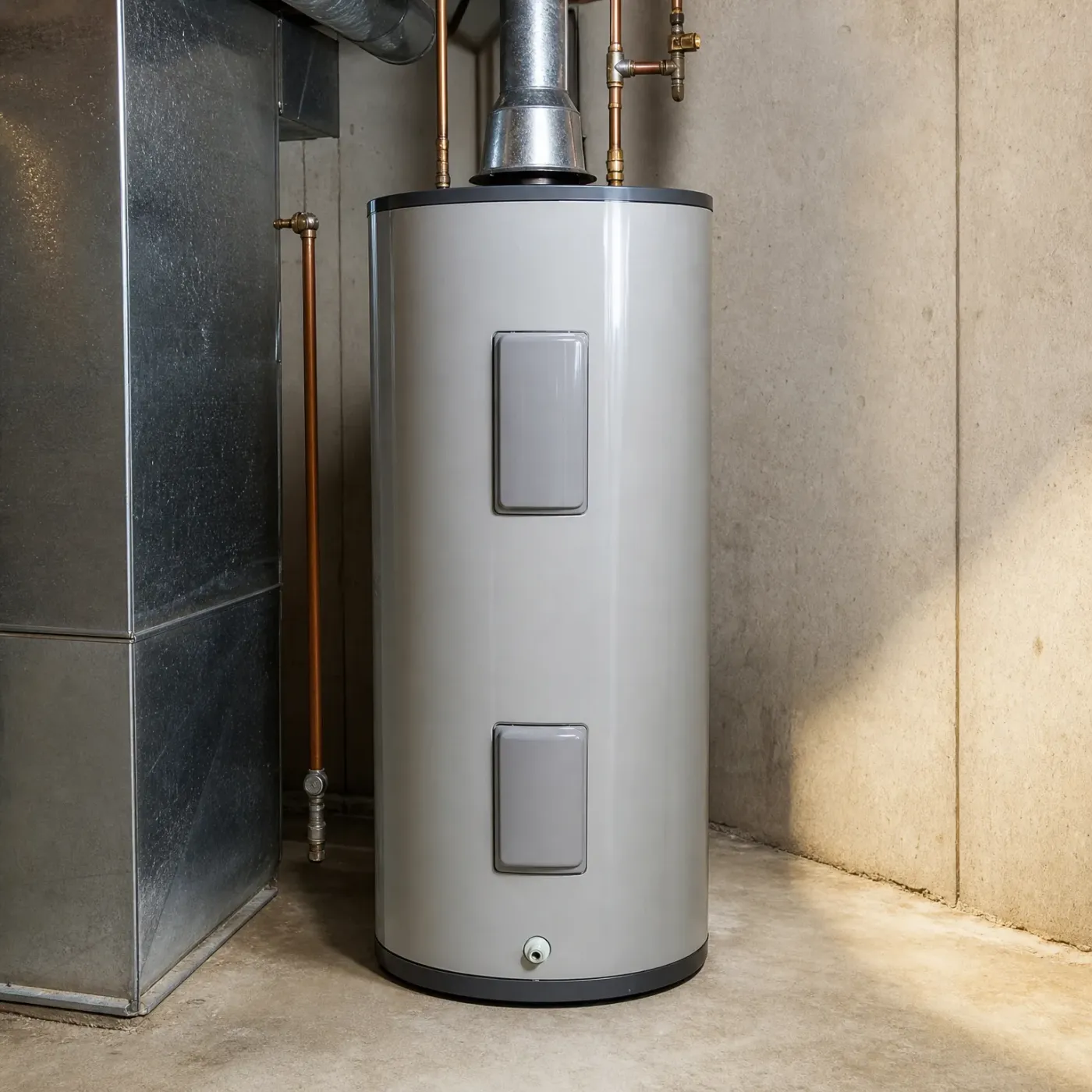
Most homes in Louisiana run on electricity, and if yours does, the water heater is almost certainly electric too, with two heating elements sitting down in the tank. Sediment builds up around those elements and makes them work harder to heat the same water. A yearly flush keeps that layer from forming.
ACS 2020-2024 5-year B25040
What's Happening Inside the Tank
- Sediment sits at the bottom of the tank, closest to the lower element, so that one wears out first.
- A tank full of sediment takes longer to heat water, since the layer sits between the element and the water above it.
- Draining a few gallons from the bottom drain valve clears loose sediment before it hardens into a crust.
- A thick sediment layer can trap heat against the tank bottom and cause a popping or rumbling sound as water boils under it.
- The anode rod inside the tank wears down over time and should get checked when the tank is flushed.
- Skipping flushes lets sediment harden into a layer that a simple drain won't remove, and at that point the element itself may need replacing.
An electric water heater keeps two elements in the tank, one near the top and one near the bottom, and the bottom one sits right where sediment collects. Every gallon of groundwater that comes in leaves a little mineral behind, and over months it settles into a layer on the tank floor. That layer gets between the lower element and the water it's supposed to heat, so the element runs longer to do the same job. Flushing clears that out while it's still loose. Open the drain valve at the bottom of the tank, let a few gallons run out, and the sediment goes with it before it has a chance to pack down.
Left alone, that layer doesn't stay loose. It bakes onto the tank bottom and turns into a crust that a simple drain can't break up. Water trapped under that crust boils before the rest of the tank does, and that's the popping or rumbling some homeowners hear coming from the heater. It's not a sign the tank is failing, but it's a sign the sediment has gotten ahead of you. Once it hardens like that, flushing may not bring the element back to normal, and the element itself may need replacing.
While the tank is drained, it's worth having the anode rod checked too. That rod corrodes on purpose, drawing corrosion away from the tank steel, and it wears down over the years. A flush is the natural time to see where it stands.
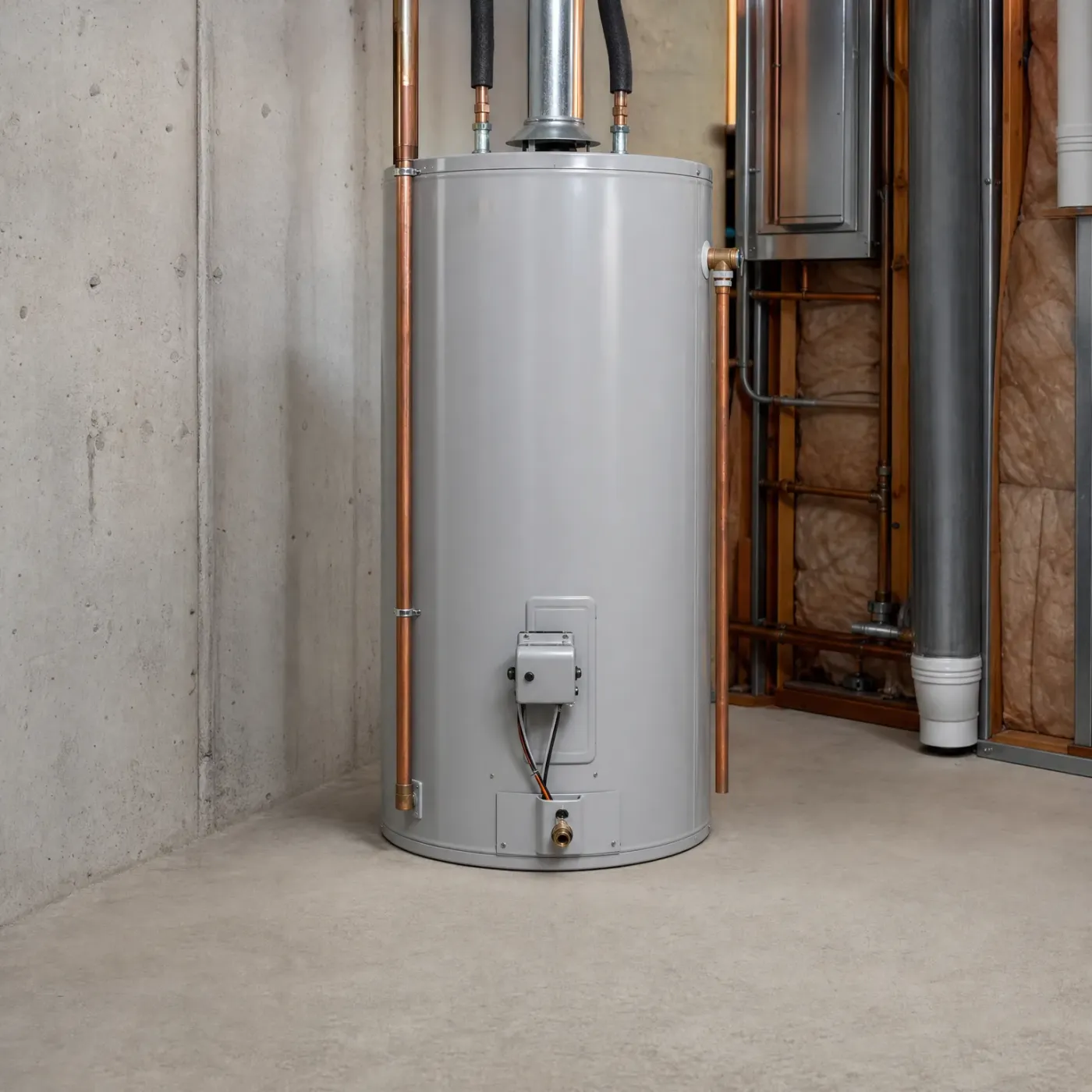
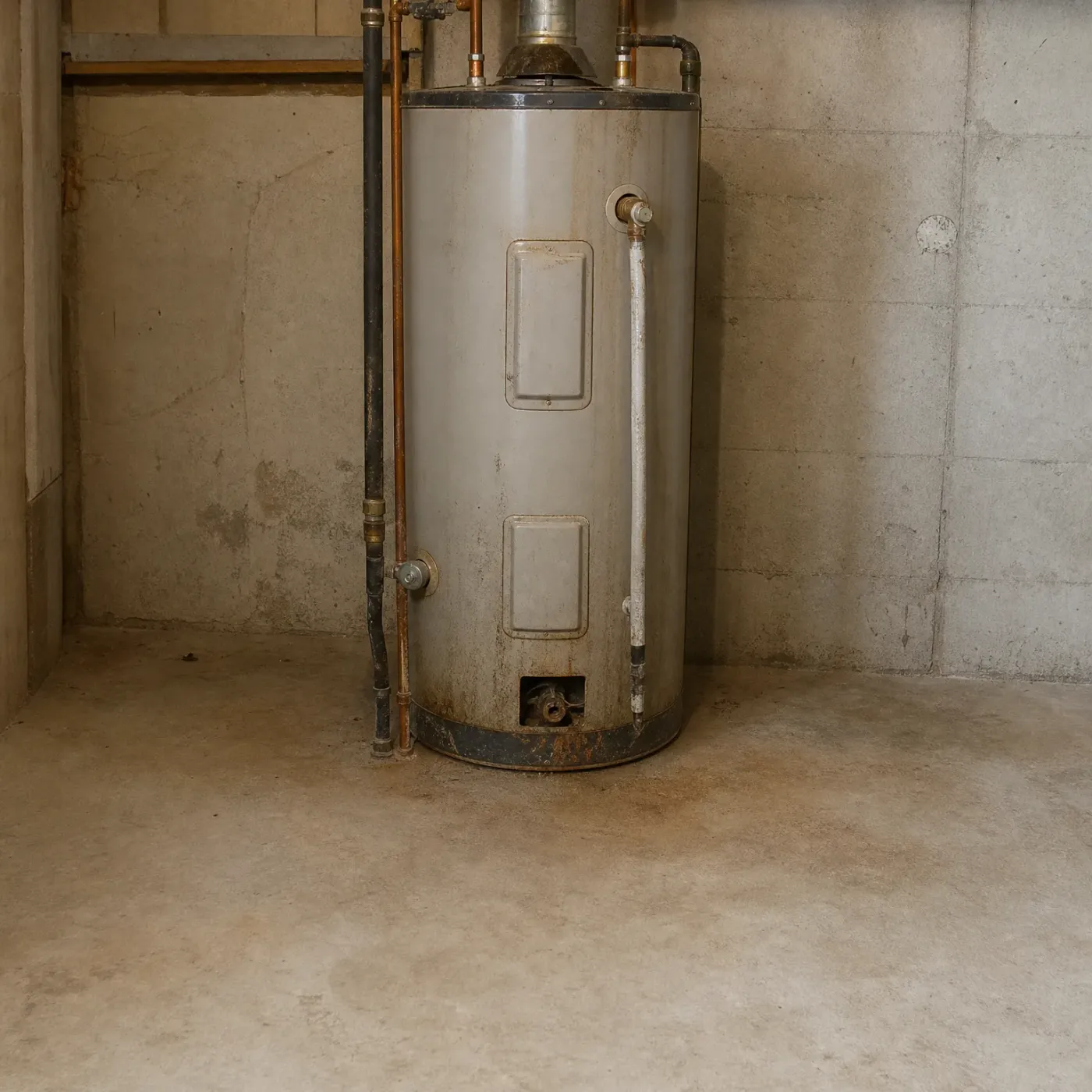
Flushing Yearly vs. Skipping It
Flushed yearly
- The two elements stay clear, so each one only has to heat water, not push through a layer of sediment first.
- A gas or electric water heater that gets flushed on schedule tends to make it to 10 to 15 years without a major repair.
- The tank holds its full rated capacity, since nothing is sitting on the bottom taking up space.
- Electric bills stay lower than they'd otherwise be, since clear elements don't draw extra power to do the same job.
- A contractor doing the flush can also check the anode rod and the pressure relief valve while the tank is open.
Skipped
- Sediment builds up around the lower element first, and that element usually fails before its time.
- A full inch or two of sediment on the bottom makes the tank work harder for the same hot water.
- Rust can start on the inside of the tank once sediment sits against the steel long enough.
- You'll likely notice popping or rumbling sounds as water works its way through the sediment layer to boil.
- A tank that's never been flushed often needs a longer, harder flush just to break the sediment loose.
- Once a tank starts leaking from corrosion underneath the sediment, flushing it won't undo the damage.




A local pro for your water heater maintenance

Once you send the form, finding a pro is off your list.
Sending the form costs nothing.
Shut off the power at the breaker or the gas valve first.
Hook a garden hose to the drain valve near the tank's base.
Let the tank drain until the water runs clear, not cloudy.
Turn the water and power back on once the tank refills.
Is your water heater working harder than it used to?
Takes longer to get hot water at the tap than it used to. Water heater makes a popping or rumbling sound when it kicks on, that's sediment shifting around under the lower element. Hot water runs out faster than it should for a tank that size. Water coming out of the tap looks a little rusty or has grit in it. Since power is cheap here, you might not notice the extra cost on the bill right away, but the lower element is still working against a layer of sediment every time it heats a tank of water, and that wear adds up over the years the tank is in service.


Do I need to flush my water heater more often in Louisiana?
Do I need to flush my water heater more often in Louisiana?
Once a year is still the right interval, not more
The mineral content in a lot of Louisiana groundwater builds sediment faster than it would with softer water, but that argument settles on yearly, not quarterly or twice a year. Flushing more often than that doesn't clear sediment any better, since a full year's buildup is usually loose enough to drain out in a few minutes once you open the valve. Flushing less often is the real risk here. Skip a year or two and the layer at the bottom packs down hard, and a quick flush won't break it loose anymore. Stick to once a year and the valve, the elements, and the tank itself keep doing their job the way they're supposed to.



Once a year, on your calendar
Once a year covers it. Louisiana's groundwater gives you a reason to actually keep that date instead of letting it slide a few years, but the number doesn't change. Mark it, flush it, move on.
If you're not sure when yours was last done, or you'd rather have someone else keep track of it, that's a reasonable thing to hand off. Answer a few questions about your water heater and you'll be matched with a contractor in Louisiana who handles this kind of maintenance, and they'll reach out to you directly. No more wondering if it's been a year or three.

Get the right pro for your water heater
After you send the request, you're done searching.
You're not committing to anything by asking.