2.47 people per household
Most tanks here were sized for fewer people than that. If yours runs out fast every morning, undersizing may be part of the problem, not just a broken part.
Cold showers in Baton Rouge don't wait for a convenient time, and a water heater that quit this morning won't fix itself by tonight. Maybe the pilot won't stay lit. Maybe the tank is making noise it never made before, or the water never gets past lukewarm. Whatever it is doing, you need someone who works on water heaters, not someone to explain the problem back to you. Fill out the form and a contractor who handles this kind of repair in East Baton Rouge Parish will reach out to you. That's the part that's hard to do on your own at ten at night with no hot water and a phone full of names you don't recognize. Send the details once and let a contractor who already knows the work sort out the rest. You go back to your day, and the search for who to call stops being something you have to carry.
No hot water usually means one of a few things, and most of them are electric, since most homes in and around Baton Rouge run electric water heaters. The breaker could have tripped, which cuts power to both heating elements at once. One or both elements may have burned out, which is the most common reason a tank runs completely cold instead of just weaker. A thermostat on the tank can fail and stop telling the elements to fire. Gas tanks run into a different issue, usually a pilot that won't stay lit or an igniter that's failed. Either way, a tank that worked yesterday and doesn't today is almost never something that fixes itself. Checking the breaker tells you fast whether this is electrical. Past that, it takes someone who can test the elements and thermostat directly to know which part failed.
2.47 people per household on average
Households here average 2.47 people, so a tank sized for one or two people can run short when everyone showers before work.
Half the homes here were built by 1984
Half the homes in the parish went up in 1984 or earlier. If yours is one of them, the water heater has likely been swapped out at least once already.
64.7% of homes heat with electricity
64.7% of homes here heat with electricity, more than any other fuel, so a tripped breaker or a bad element is the most common place to start looking.
ACS 2020-2024
Some households can wait a day for a repair appointment. A pot of water heated on the stove covers dishes, and a short gas station shower covers the morning if someone has to get to work clean. If only one person in the house needs hot water and the rest can shift their showers to evening, waiting a day costs nothing but patience. Call around, compare a couple of quotes, and book whoever can come when it works for the household. This only holds if the water heater failed cold rather than dangerous. A tank that is leaking, or one that smells like gas, moves out of this category regardless of how many people live there.
A house with a baby, a medical need for warm water, or everyone working from different schedules doesn't have slack to give. Every shower pulls from the same empty tank, and there is no good hour to put it off. This is also where age matters. If the water heater came with the house and nobody remembers it being replaced, a repair today might just be the thing that fails next week. In that case, the choice isn't really between fixing it now or later. It's between a repair and asking whether a worn-out tank is worth fixing at all.




Most tanks here were sized for fewer people than that. If yours runs out fast every morning, undersizing may be part of the problem, not just a broken part.
Once power is restored after a trip, most electric tanks start heating again without help. If yours didn't, the problem is likely inside the unit, not the breaker.
Power to the heater cuts off or an element fails
A technician checks the breaker and tests for voltage
Each element and thermostat gets tested for continuity
The failed part gets replaced and the tank refills
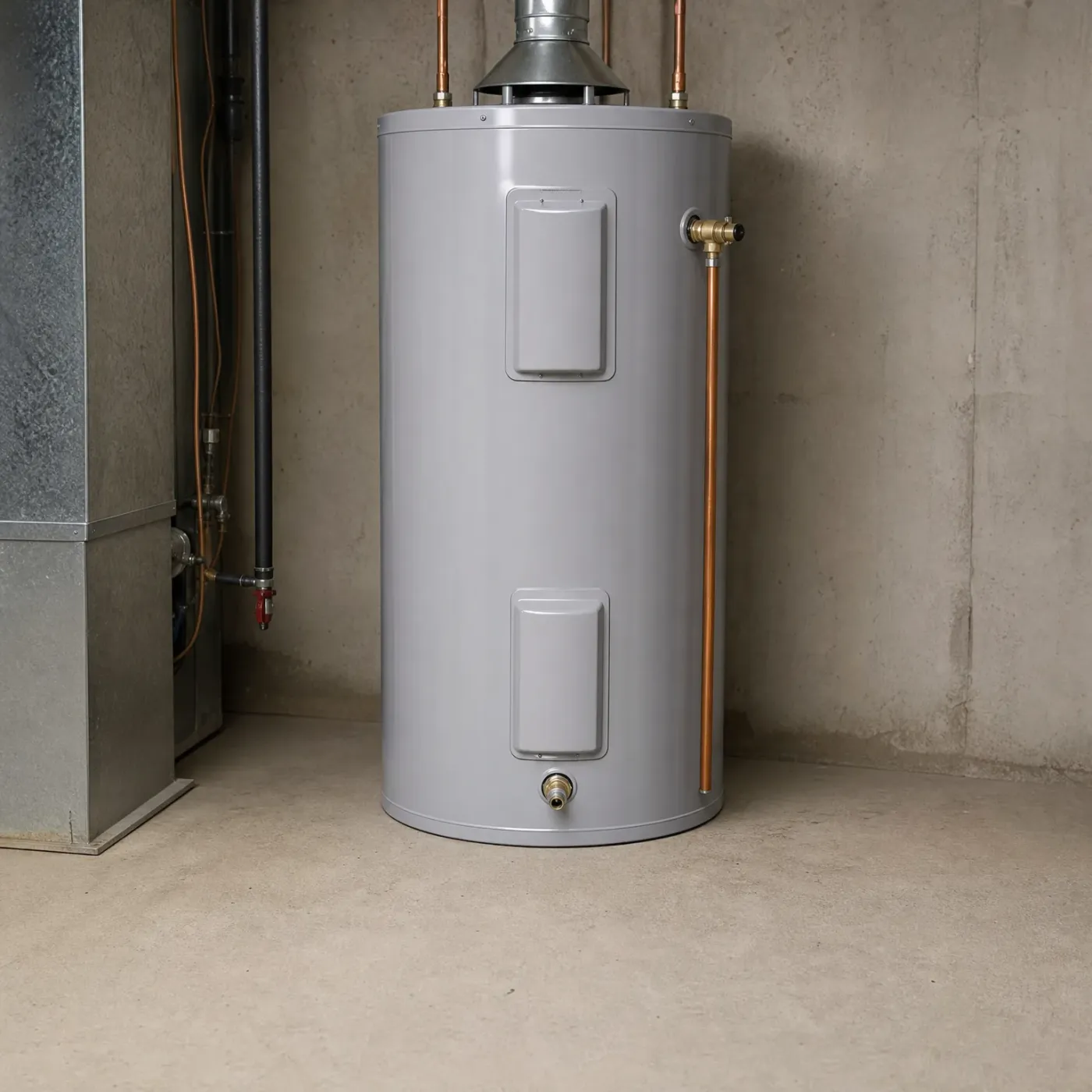
A water heater that won't fire back up isn't something to leave for the weekend. Every day without hot water is dishes piling up and showers you can't take, and in a house with more than one person needing to get ready in the morning, that adds up fast. The part behind it, whether it's a tripped breaker, a dead element, or a thermostat that quit, isn't something you can see from across the kitchen, and guessing at it usually means a second trip and a second wait. A contractor who works on these tanks every week can look at yours, name the actual part, and get it ordered if it needs ordering. Sending the request now means that process starts today instead of whenever you get around to calling around parish listings yourself. The sooner someone qualified is looking at your tank, the sooner this stops being something you have to manage around.


At 12.50 cents per kilowatt-hour, running an electric water heater here doesn't strain the budget the way a repair delay does. A new heating element costs little to operate once it's in. The expense of no hot water isn't the power bill, it's the cold shower tonight.
EIA-861 2025
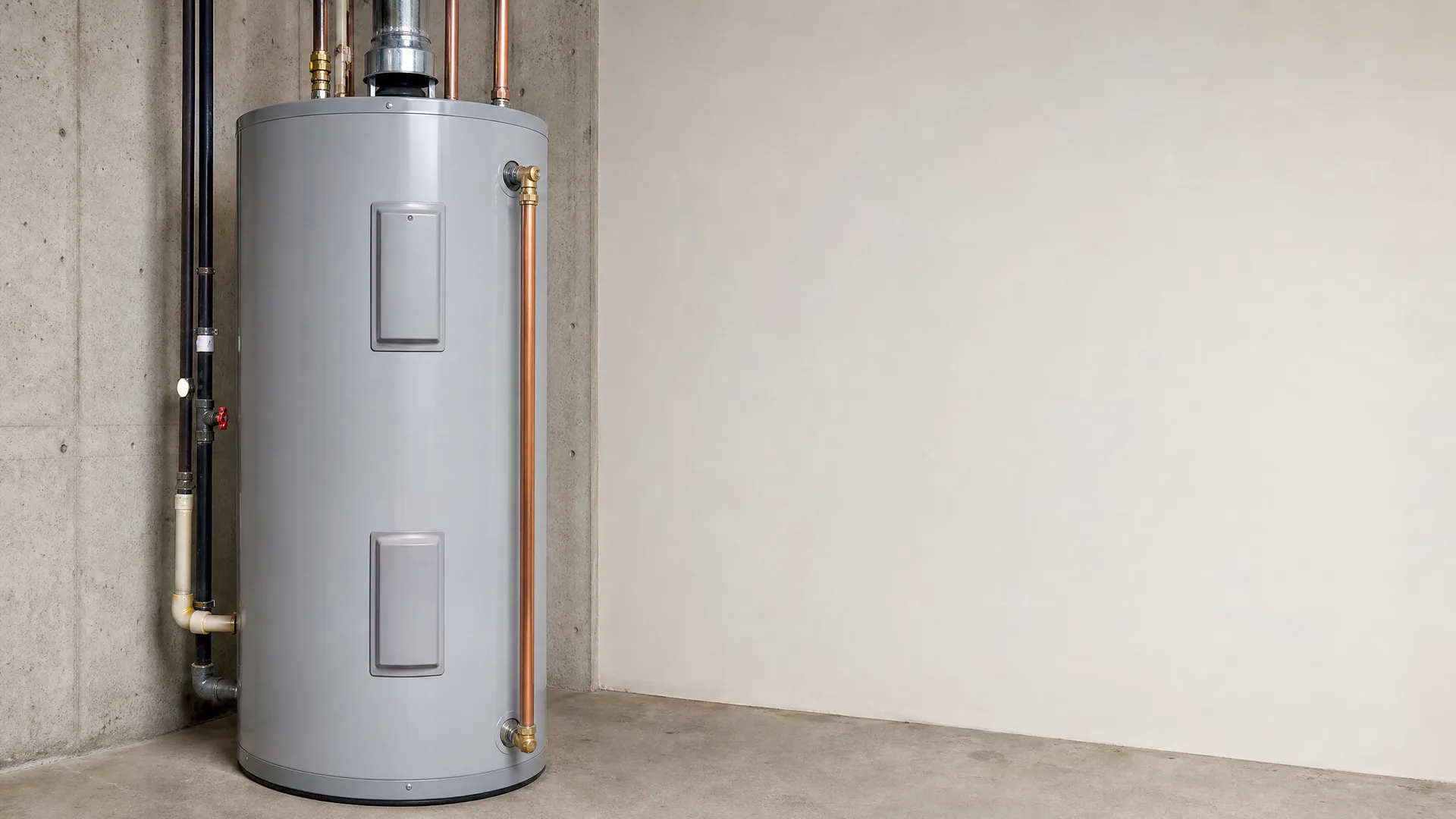
If the heating elements failed overnight, the water sitting in the tank now is whatever temperature your house is. Nobody showers first gets warned, they find out the hard way. In a house with two or three people getting ready at the same time, that means someone is washing dishes in cold water or skipping a shower before work. It doesn't get better on its own. The tank won't warm up until a working element gets power to it again.
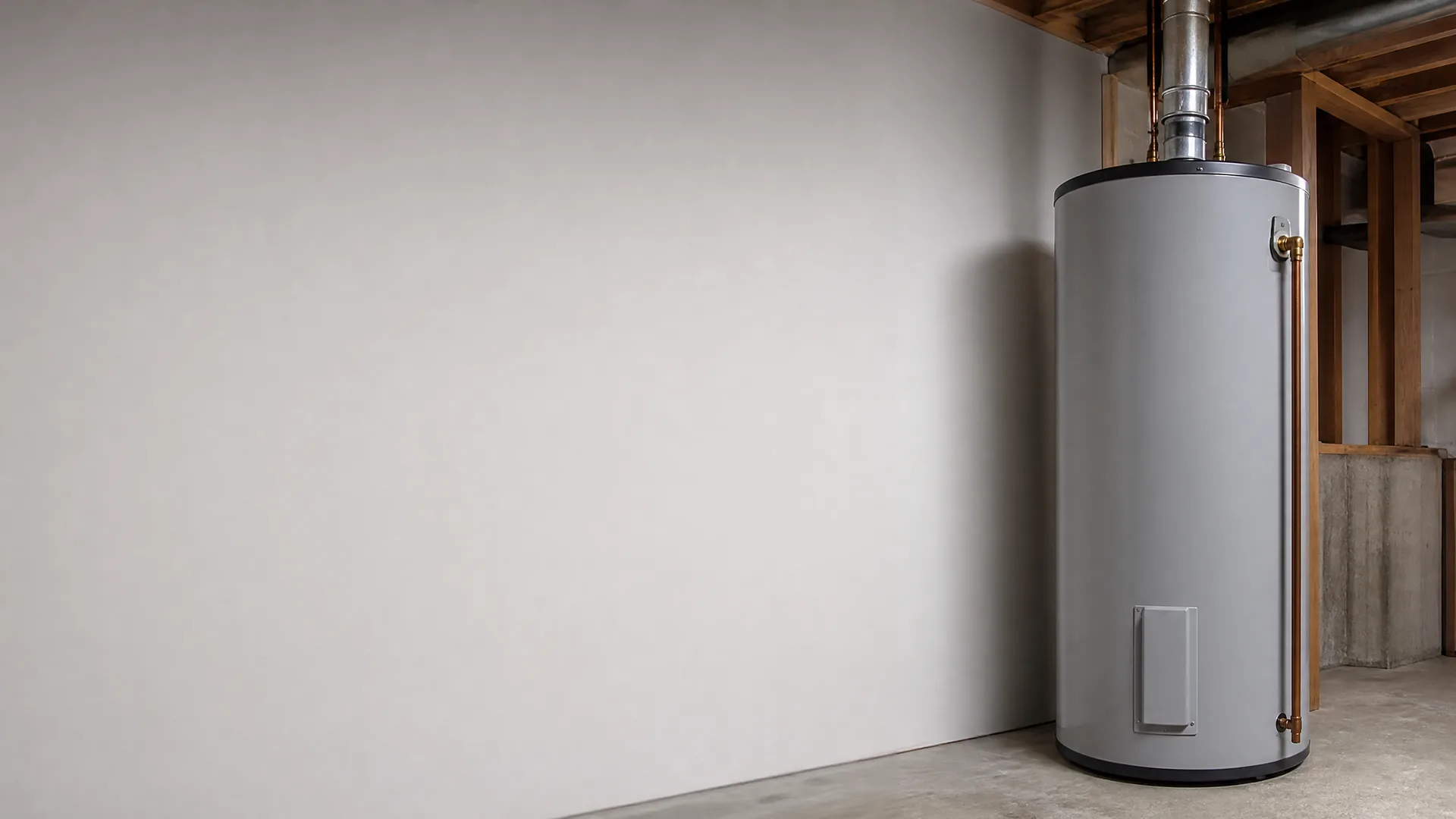
A water heater in a closet or a garage doesn't get looked at until it stops working, so a slow problem can sit for months before anyone notices. A thermostat that's failing might let the tank run lukewarm for weeks before it quits altogether. If the tank itself has started to rust at a seam or a fitting, that's not something a new element fixes, and waiting on it risks water getting onto the floor instead of just staying in the shower where you'd notice it sooner.
You turn the handle and it stays cold, or it warms for a few seconds then drops off. Maybe you hear the tank ticking or popping as it tries to heat, a sound it didn't make before. Maybe nothing at all, just silence where the burner or element should be working. Check the breaker panel first, since a tripped breaker on an electric unit looks exactly like a dead one. If it's not that, every hour the tank sits cold is another round of dishes stacking up and another person in the house taking a cold shower before work. Left alone too long, a tank that struggles to heat is often further along toward failing for good.
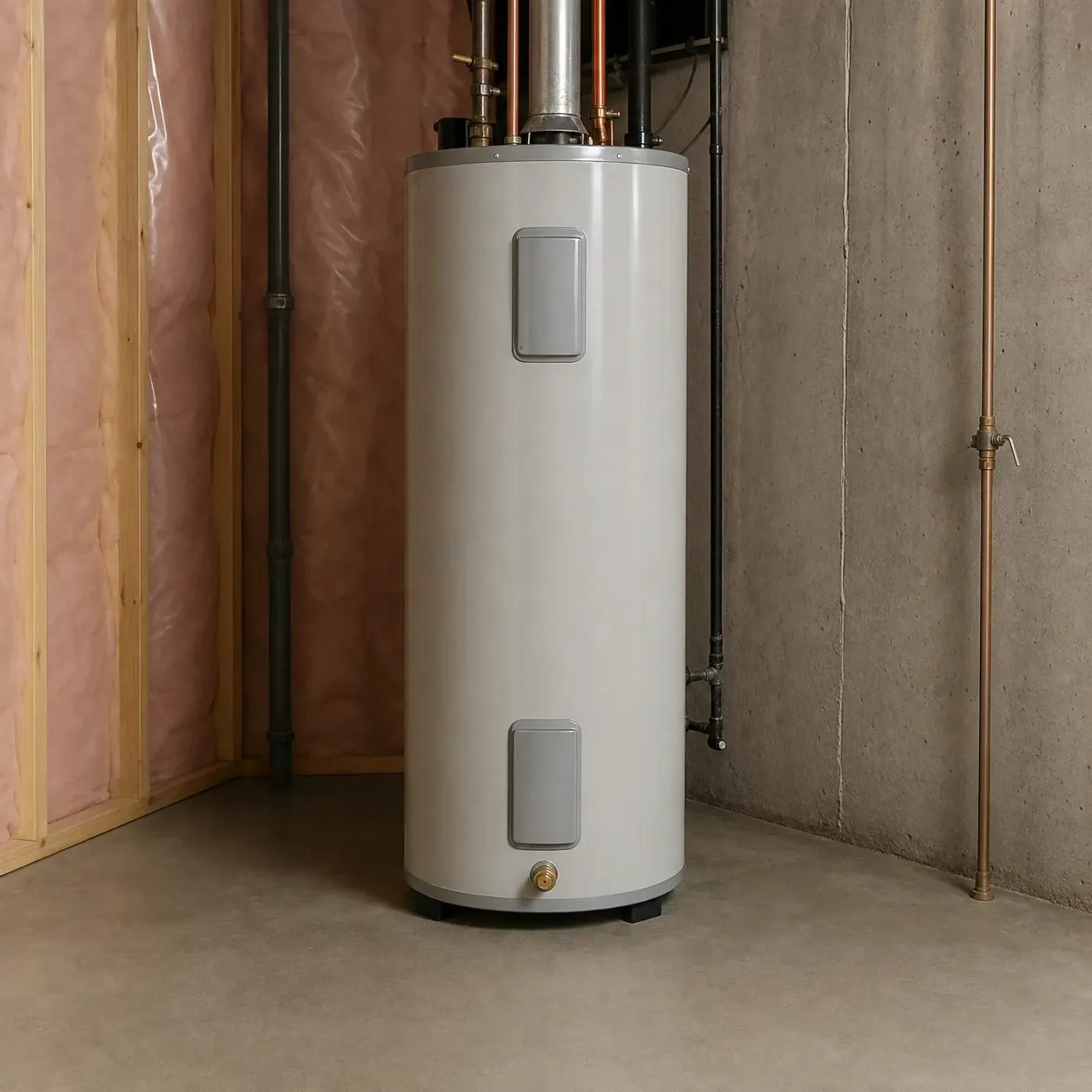
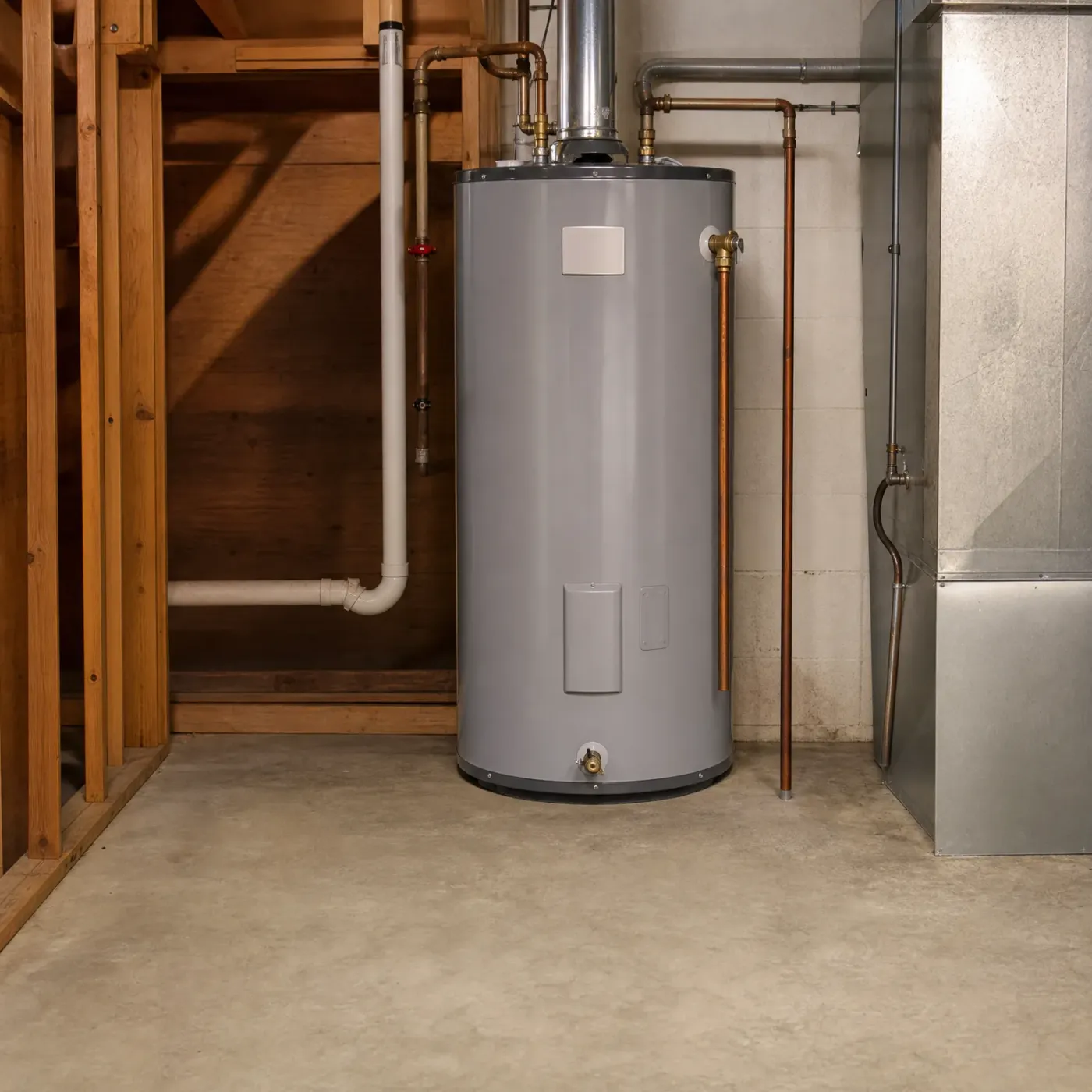
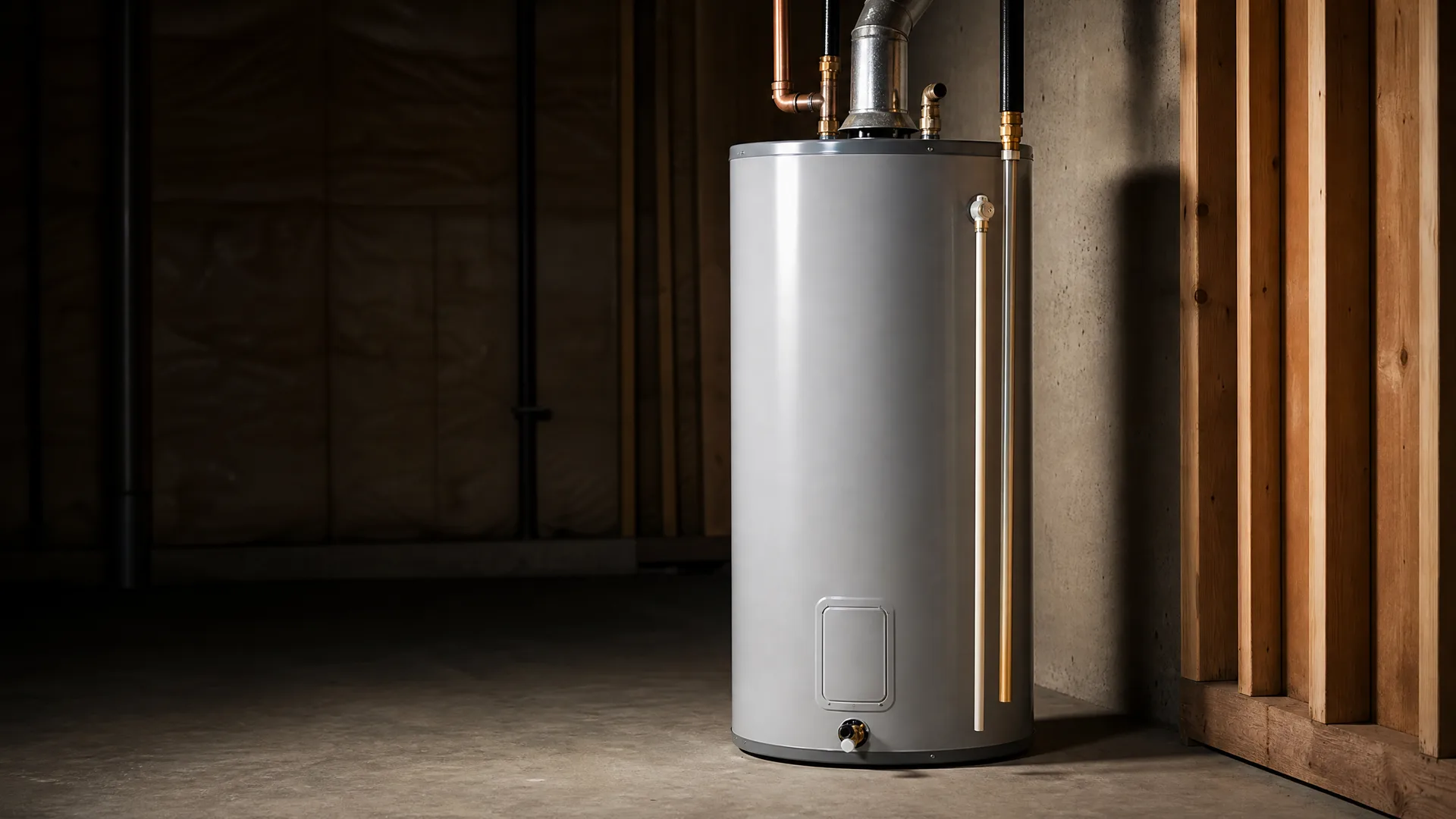
Copper and black iron pipes run clean into the top, and the insulation behind the wall panel is doing its job. No rust on the tank, no sign of a leak. This is a water heater that just needs its element or thermostat looked at, not replaced.
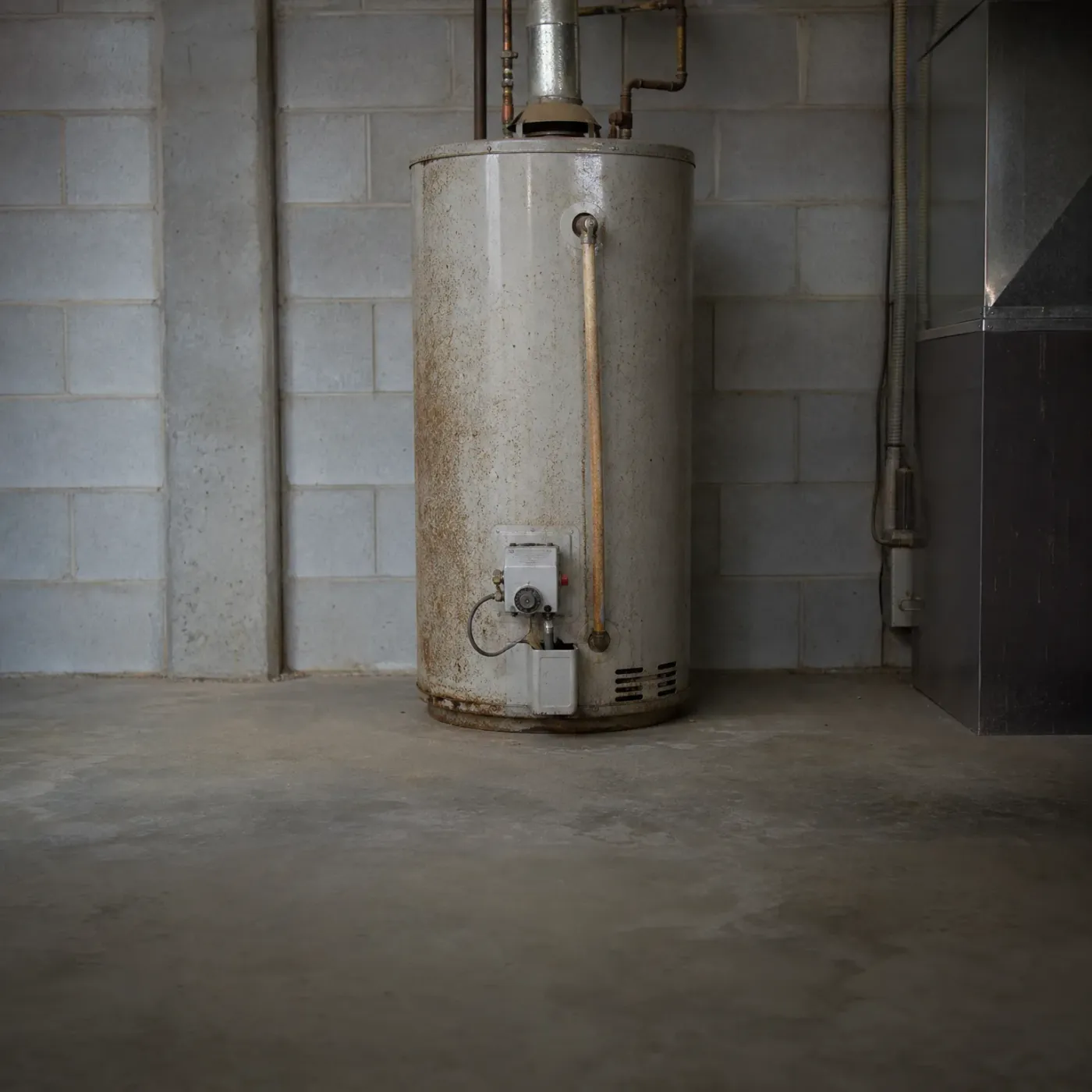
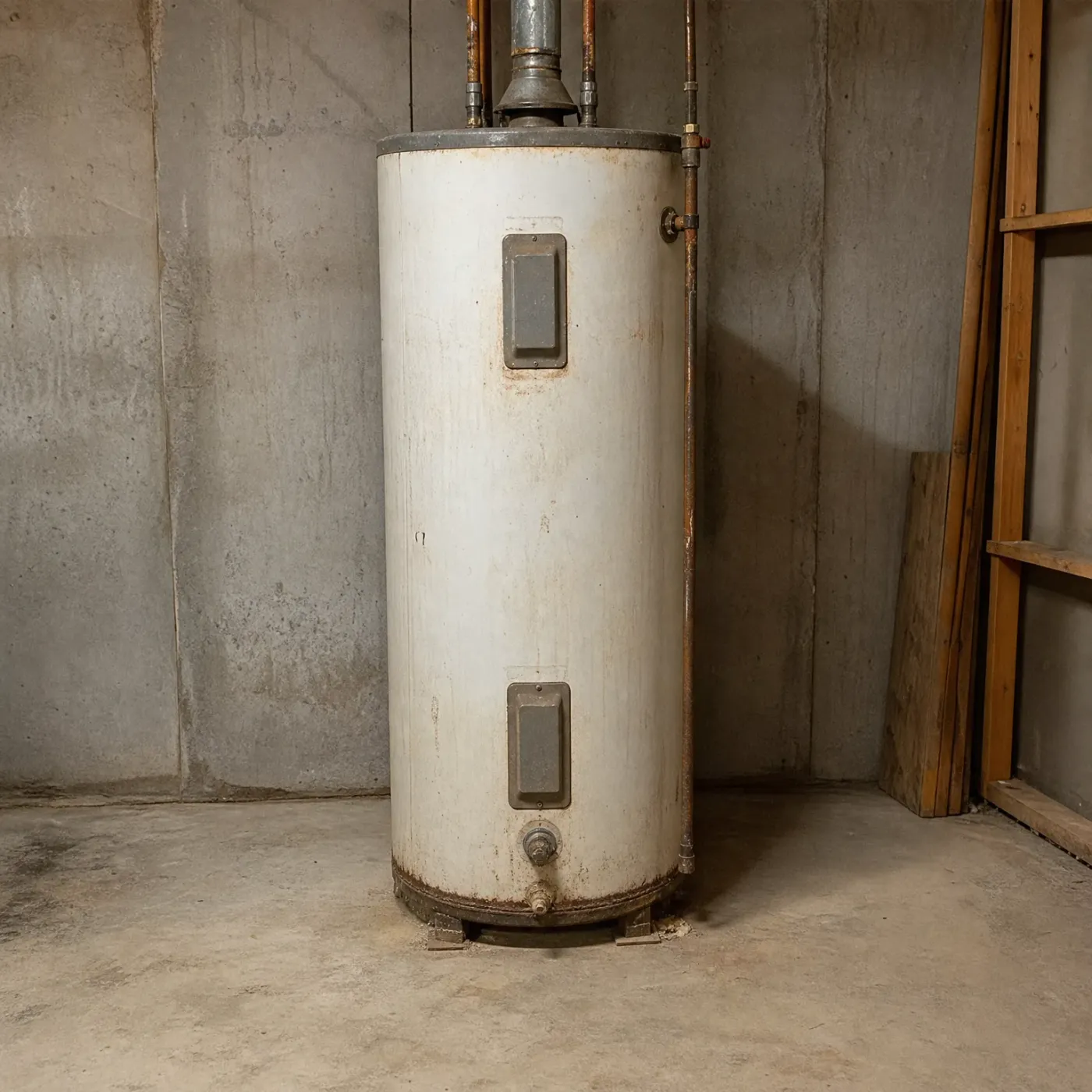
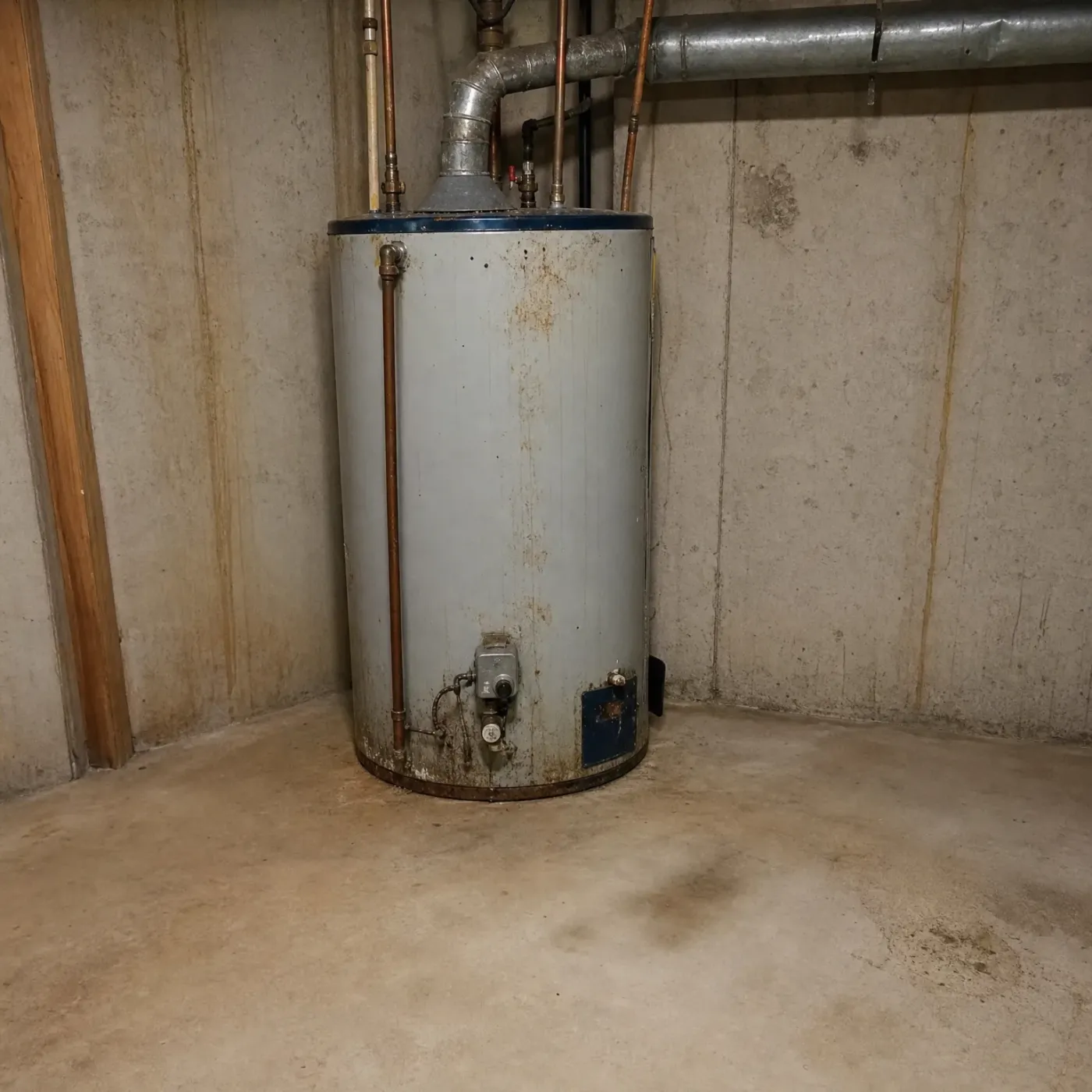
Rust like this across the fittings and down the side means the steel underneath is going too. Galvanized pipe feeding a tank this old is another sign of its age. A new element won't fix a tank that's already failing at the seams.

A tripped breaker, a failed element, a bad thermostat. That's most of what causes this, and all three get found by testing, not guessing. The tank itself is usually fine. What's wrong is small enough to replace without replacing the whole water heater.
Once you request a match, a contractor who works on water heaters in East Baton Rouge Parish gets your situation and reaches out to you. You're not the one calling around asking who's free this week. That part is off your plate now, and the only thing left is hot water again.

A pro who works on water heaters