
Signs your water heater needs replacing in Louisiana

A local installer who puts in water heaters gets your project.

Find my pro

Water pooling at the base of the tank is the clearest sign, and it usually means the tank itself has rusted through from the inside. Once that happens, there is no patch that holds. Other signs show up first, though. Water that comes out rusty or smells off even after you run it a while points to corrosion inside the tank. A tank that rumbles or pops as it heats has sediment built up on the bottom, and that buildup makes it work harder to heat the same amount of water. If yours is electric, like most homes here, a failing heating element can mean lukewarm water or a breaker that keeps tripping. Age matters too. Most tanks last a dozen years or so, and past that point a repair is often just delaying the same decision. If your water heater is leaking, rusty, or struggling to keep up, it's nearing the end, and that's worth acting on before it fails outright and leaves you without hot water.

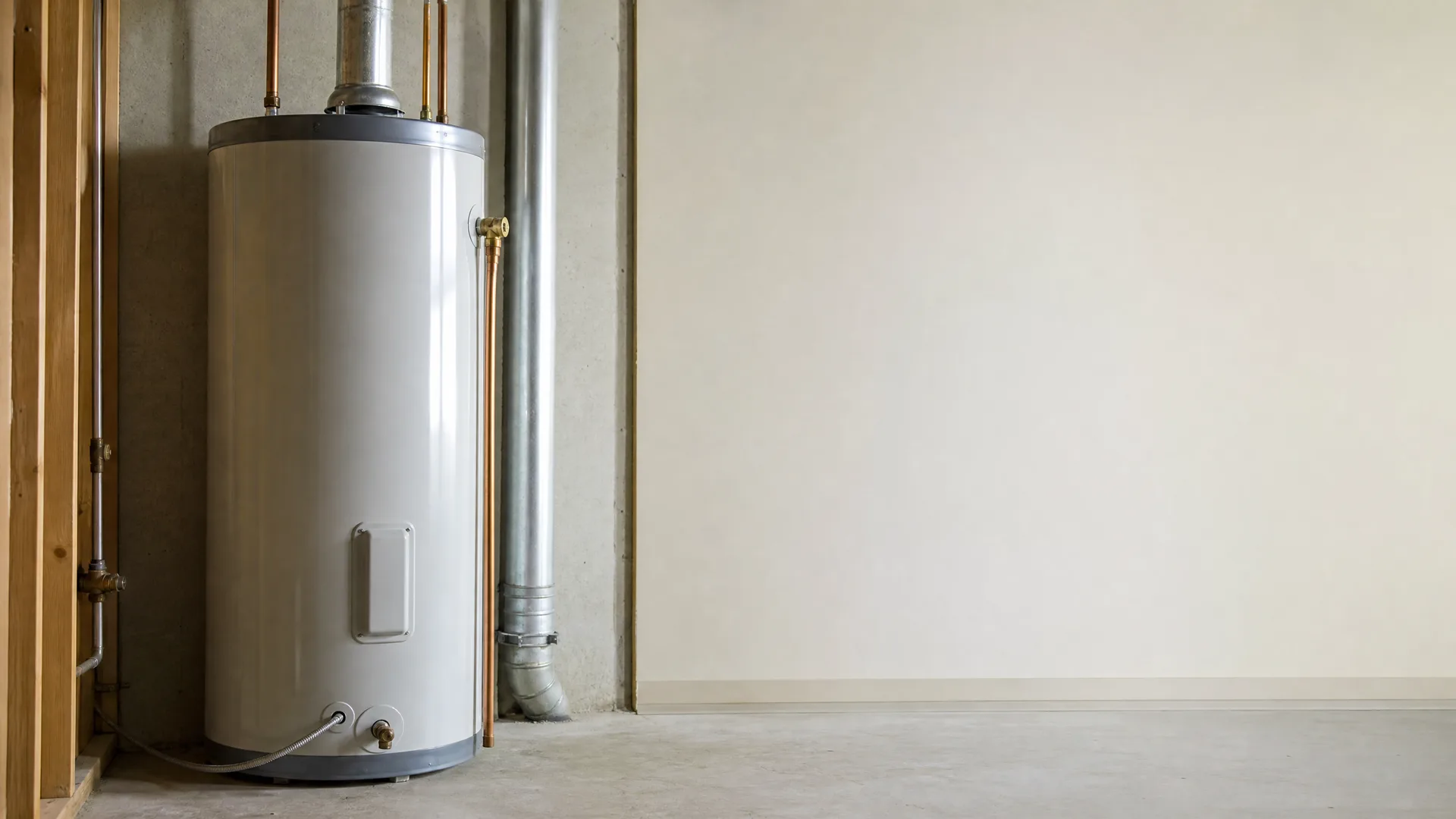
A white cylindrical water heater with copper pipes and a metal flue stands in the corner of an empty room with bare concrete floor, wood framing at left, and a plain light-colored wall.

Why the tank rusts out

A glass lining coats the inside of the tank, and a rod inside keeps rusting so the steel doesn't have to. Once that rod is used up, the tank starts to corrode on its own. Louisiana water adds to the load on that rod. There's no way to check it without draining the tank and pulling it out, so most homeowners never know it's gone until the rust shows up in the water or the tank itself starts to weep.

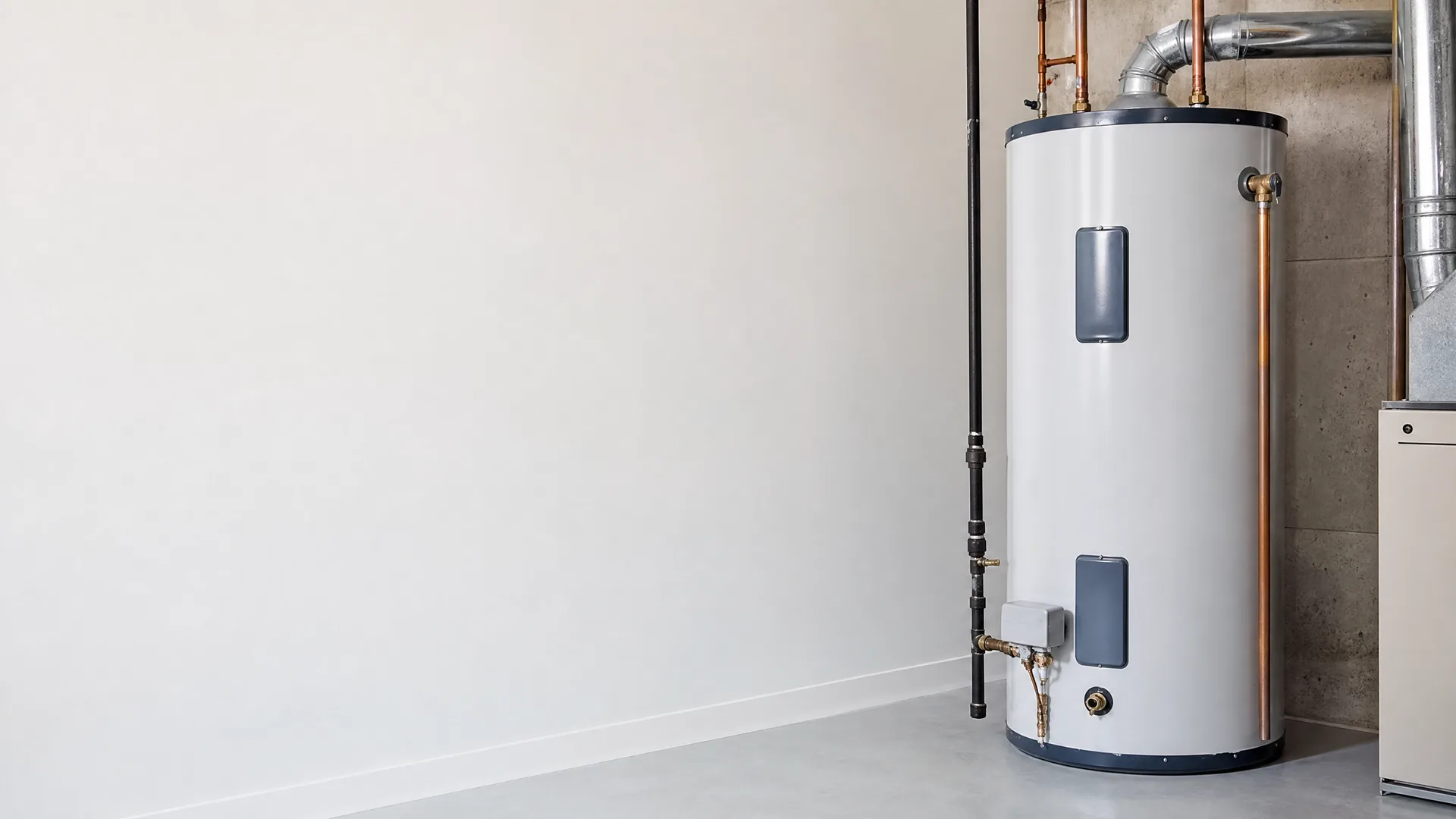
A white cylindrical water heater with copper and black pipes stands against a plain white wall on a gray floor, beside a concrete wall and metal ductwork.

What the sound means

A popping or rumbling sound from the tank is sediment settling at the bottom and hardening there. It builds up over years, and it makes the burner or the lower element work through a layer of scale to heat the water above it. That takes longer and costs more every month it continues. Once the sediment layer is thick enough to crack and pop with each heating cycle, flushing the tank won't clear it. At that point the buildup is part of the tank.

Why does my water heater make popping or rumbling noises?

You hear knocking or rumbling from the tank, especially when the water is heating up, and you want to know if that noise means something is actually wrong or if it's just the unit doing its job.

It's sediment hardening at the bottom of the tank

The noise comes from sediment that has settled on the bottom of the tank and baked into a hard layer. Water trapped underneath that layer boils and pushes through it, and that's the popping and rumbling you hear. Louisiana's water leaves more of this behind than soft water would, so the layer builds up over time without anyone touching the tank. A thin layer just makes noise. A thick one makes the burner or element work harder to heat the water above it, and it can scorch the bottom of a gas tank or burn out an electric element. The noise alone won't tell you how far along it is, but it's worth having someone look before it leads to a bigger repair.

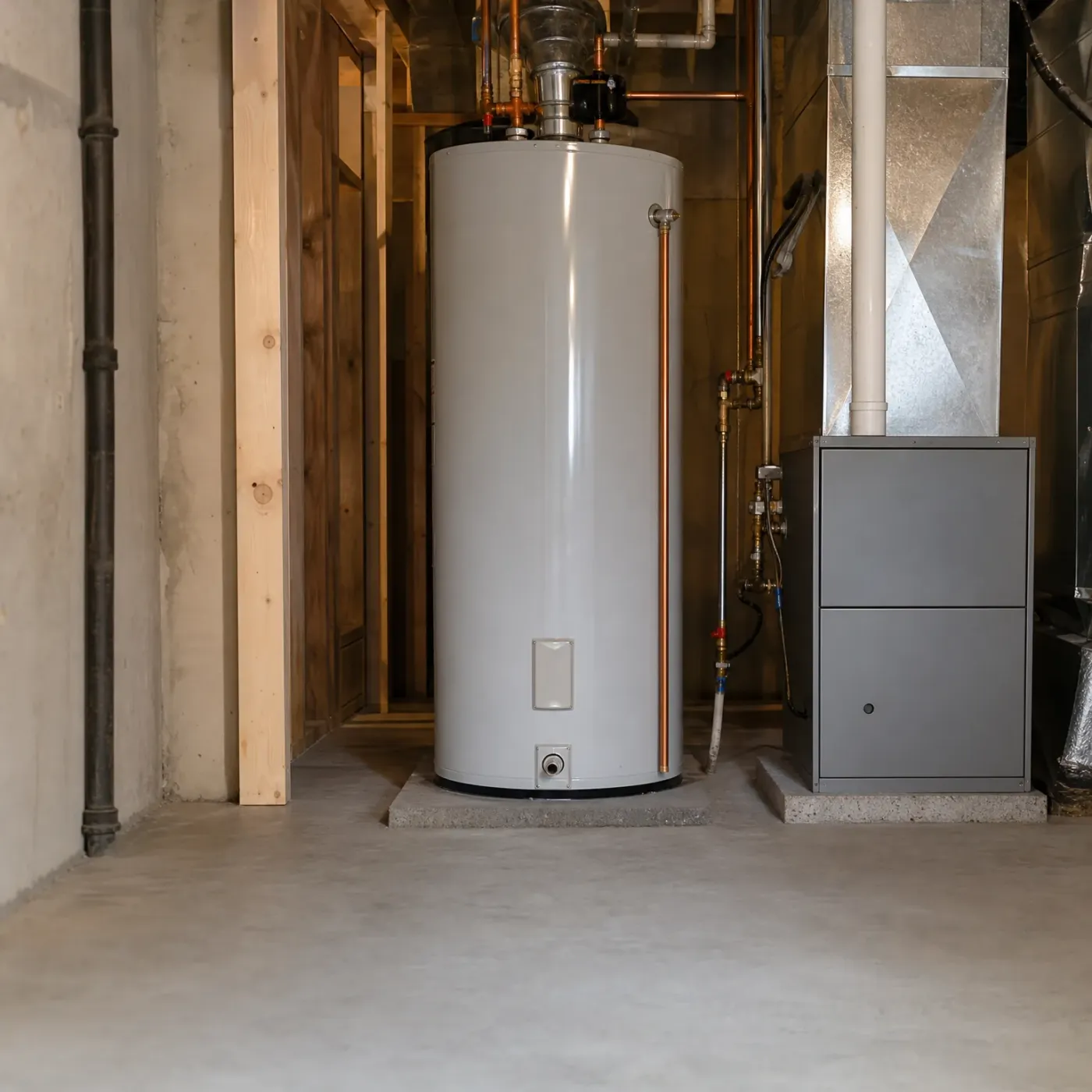
A white cylindrical water heater on a concrete pad in a basement, with copper and metal piping above it and a gray furnace cabinet with ductwork to the right.

Working as it should

A water heater that's doing its job sits quiet next to the furnace, tank sound, pipes dry underneath. The panels stay shut because nobody needs to check on anything. You get hot water on demand and don't think about the tank at all, which is how you know it's fine.
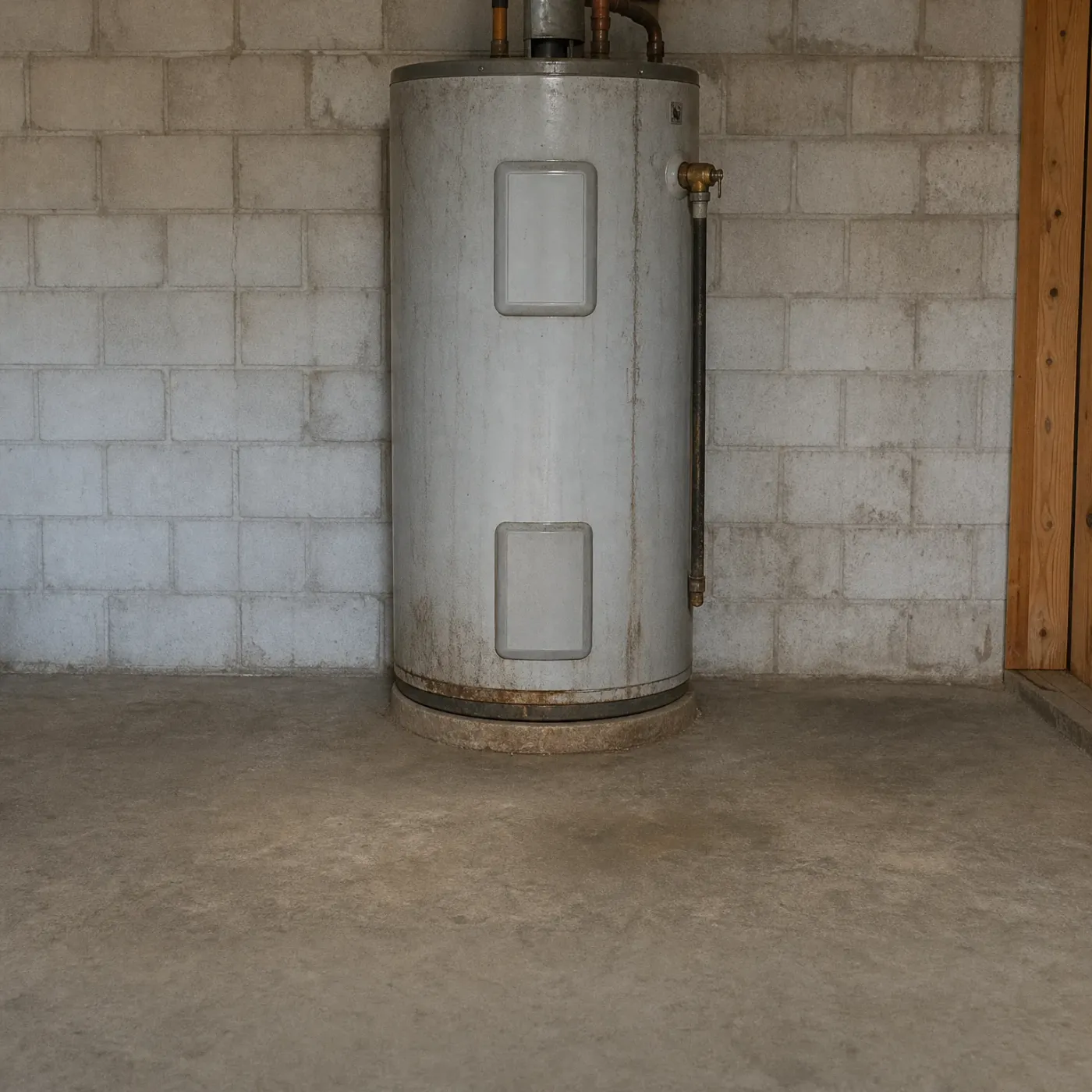

A cylindrical water heater with two access panels and copper pipes stands on a concrete floor against a painted concrete block wall.

On its way out

Rust spreads across the tank and down toward the access panels. The pressure relief valve and fittings on top start to corrode along with it. A tank that looks like this on the outside is usually further along on the inside, and the panel and the floor around it are worth a look.

An older woman with short gray hair in a cream cable-knit turtleneck sweater smiles while looking to the side in a wooden kitchen, with a round loaf of bread on a board in the foreground and a lit candle by a dark window.
A woman and a child wrapped together in a knitted gray blanket on a couch, with the child's head resting on her shoulder and a lit table lamp and houseplant in the background.
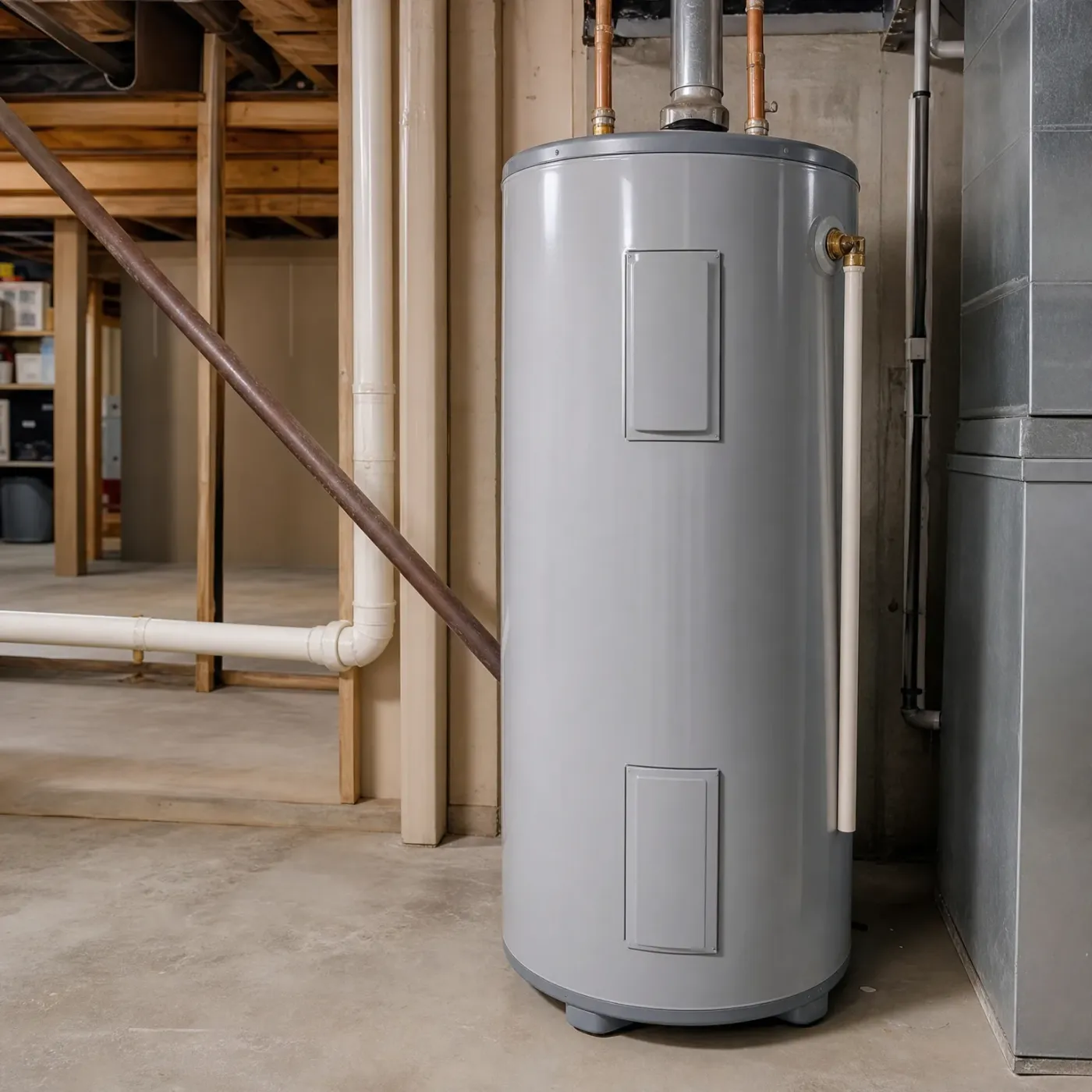
A gray cylindrical water heater with copper and white pipes stands on a concrete basement floor beside a metal duct and wooden framing.

A local pro for your water heater installation

Explain the job once and skip repeating it on every call.

Get in touch with a local installer about a new water heater.

Get a water heater pro

You only hire the pro if you want to.

A gray cylindrical water heater stands in a basement corner against a concrete wall, with copper pipes, insulated flex lines, a metal flue, and insulated wall framing with ductwork to the right.
This tank is doing its job. No rust, no drip underneath, fittings dry where the pipes meet the top.
A rusting gas water heater with copper and steel pipes stands against a concrete block wall on a bare concrete floor.
Rust like this at the base means the tank is corroding from the inside and won't be stopped, only replaced.

You notice it in small ways before the tank actually quits. Someone showers and the next person gets lukewarm water, when a few months ago that never happened. Dishes pile up because running the dishwasher and doing a load of laundry at the same time taxes a tank that used to handle both. If you check under the tank and find it wet, that water didn't come from nowhere, and it won't stop on its own. Louisiana water works the anode rod harder than it would in a lot of other places, so a tank that's rated to last a certain number of years here might not make it that long. None of this means you have to replace the tank tomorrow. It means the tank is telling you where it stands. A unit that's heating slower or rusting from the inside can still be used for a while, but once it's leaking at the base, that's the point where repair stops being an option and replacement is the only one left.

What this looks like at home

  • A tank that's failing often can't keep up with two showers back to back, even though it kept the house in hot water before.
  • Water that takes longer to heat or runs out faster means the tank is losing capacity, not that someone in the house is using more.
  • A leak that reaches the floor can sit on top of flooring or soak into a nearby wall before anyone notices it.
  • Louisiana water puts extra strain on the anode rod, so a tank here can wear out sooner than the same tank somewhere with softer water.
  • Rust in the water isn't just a cosmetic problem, it means the inside of the tank is already breaking down.
  • A tank that's starting to fail can still run for a while, but once it leaks at the base there's no fixing it, only replacing it.
A woman with long wavy brown hair in a grey ribbed sweater sits on a couch indoors, looking toward a window, with a potted palm-like plant and fireplace behind her.
A woman with long brown hair wearing a green V-neck top and beige cardigan sits on a light sofa, looking off to the side, with a dining table, lamp and framed picture in the background.
A woman with long dark hair in a cream knit sweater sits on a beige sofa indoors, looking toward a bright window with a houseplant and framed picture in the background.
A woman with long dark hair in a green knit sweater sits on a couch indoors, smiling and looking toward a window with a blurred room behind her.

Repair makes sense here

A tank under ten years old that's showing one isolated problem, like a bad thermostat or a heating element, is usually worth fixing. The tank itself is sound, and a single part replacement gets you back to hot water without starting over. If the glass lining is intact and there's no rust at the base, a repair holds. You're not fighting the tank itself, just one piece of it that wore out ahead of the rest.

Replacing is the honest call

Once the tank is rusting from the inside, no repair reaches that. You can swap the thermostat or the element as many times as you want and the leak still comes. Louisiana water works that rod inside the tank harder than it would elsewhere, so tanks here tend to reach that point. If you're patching the same unit every year, or the last fix didn't hold, you're paying to delay the same outcome, not avoid it.

64.7% of homes statewide heat with electricity

Most houses in Louisiana run their water heater on electricity, same as the furnace, so when the power goes out both go down together. It also means a weak dip tube or a failing thermostat shows up on the bill before anyone notices it in the shower.

ACS 2020-2024 5-year B25040

A man in a dark blue shirt stands in an open front doorway of a stucco and wood-clad house, facing a blond woman seen from behind in the foreground on a stone walkway.

A tank that's failing tells you before it floods

Rust in the water, a tank that won't keep up with two showers, popping that's gotten louder over the months, water at the base. Any one of those is reason enough to stop repairing and start planning for a new tank. Once the inside has rusted, nothing fixes that. The only question left is when, not if.

You don't have to figure out which of those signs matters most or whether your tank is close enough to call. A local contractor can look at the tank itself and tell you where it stands. That's one less thing to carry when you're the one keeping everyone else in the house comfortable.

Interior corner of a dining room with a round wooden table, a ceramic vase holding olive branches, a dark spindle-back chair near a curtained window, and a sideboard with a lamp against beige walls.
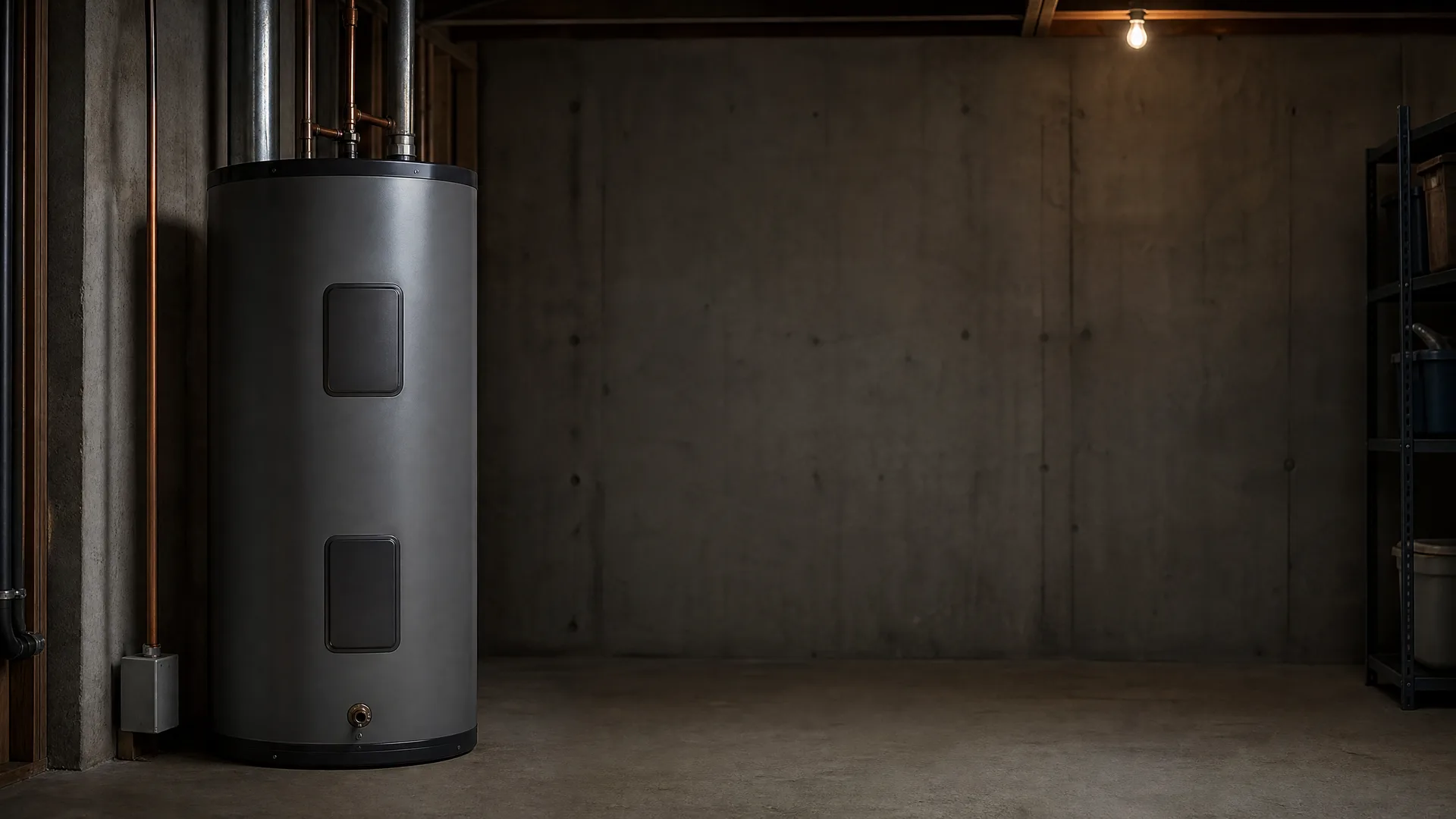
A gray cylindrical water heater with copper pipes stands against a concrete wall in a dim basement, with a bare hanging light bulb and a metal shelving unit at right.

Get the right pro for your water heater

Skip searching for a water heater pro and answer a few questions instead.

Step 1 of 3: Equipment