
What temperature to set a water heater in Louisiana
A local pro who services water heaters gets in touch about the tune-up.
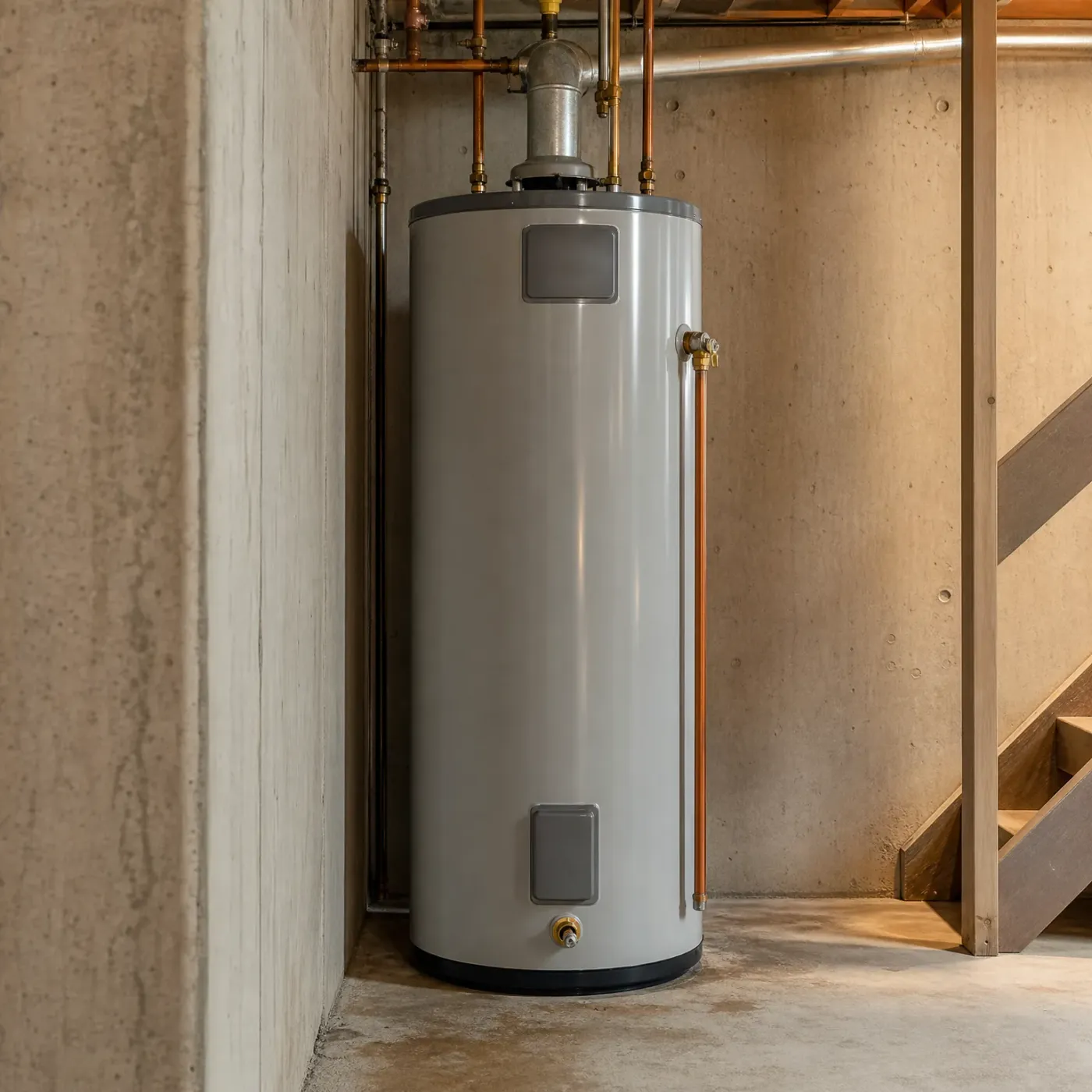
120 degrees is the right setting for a water heater in Louisiana. That is hot enough for showers and dishes without wasting power keeping water hotter than anyone needs. Since most homes here run on electric water heaters, and power stays cheap in Louisiana, the cost of a higher setting is easy to ignore. But 140 degrees scalds skin in seconds, and it also wears the tank harder, pushing the heating element and the anode rod to work more than they need to. Louisiana's muggy summers already mean the water coming into the tank starts out warm, so the heater doesn't have to work as hard to reach 120 as it would somewhere colder. Check the dial on the tank itself. Many are set at the factory to 140, and nobody turns them down until a bill or a burn says to.





What 120 degrees means for your house
At 120 degrees, your shower runs hot without the tank working overtime between uses. Push it higher and the tank cycles more to hold that temperature, and the parts inside wear faster for no real benefit. The anode rod goes sooner. The heating element strains more if your water tends to run hard. None of that shows up right away. It shows up a few years in, when the tank is leaking or the element has failed.
If your water heater is already set well above 120, or if it's struggling to hold temperature at all, that's worth having someone look at before it turns into a tank replacement. A local contractor who works on water heaters all year knows which parts tend to go first on the tanks common in Louisiana homes, and can check yours without sending a crew of strangers through your door. You'd be matched with one contractor, not several, and that contractor would reach out directly about what they find.


Thermostat reads tank water and compares it to the setpoint
Dial or display tells you the setpoint, not the actual water temp
Heating element or burner fires when water drops below that mark
Tank shuts off once the water climbs back to 120 degrees
64.7% of homes statewide heat with electricity
Odds are your water heater runs on electricity, like most homes in this state. That electric element is working at your setpoint around the clock, so a dial left at 140 instead of 120 means it cycles on more than it needs to, every day of the year.
ACS 2020-2024 5-year B25040
Set it at 120 and forget it. A once-a-year check of the anode rod and the tank for sediment keeps it running at that setting without surprises.
Skip the check and the tank still runs, until the element fails early or the water isn't as hot as it used to be. A local contractor who services these tanks every season can catch that before it turns into a cold shower.


Matched to your water heater job
A water heater left to run for years without a look at the anode rod or the sediment in the tank will still hold 120 degrees for a while, right up until it doesn't. That rod is what corrodes instead of your tank, and once it's spent, the tank itself starts taking the damage. Sediment sitting on the bottom of an electric tank makes the element work through a layer of grit to heat the water above it, which is its own kind of waste even at the right setpoint. A local contractor who services tanks all year in Louisiana has seen which parts give out first in this water and this climate, and checking yours is a quick job for someone who does it often. One contractor takes this request, not several, so you're dealing with one visit and one answer about what your tank needs, not a round of competing calls. Your water heater is already set right. What's left is making sure it stays that way.
120 degrees, checked once a year
- 120 degrees is the right setting for a Louisiana water heater, hot enough to use and no hotter.
- A tank left unchecked will still hold 120 for a while, until the anode rod wears out or sediment builds up.
- A once-a-year check keeps the setting doing its job instead of masking a part that's already failing.
- A local contractor who works on these tanks all year knows which parts give out first in this climate.
- Matching you with one licensed local contractor means one call back, not a string of them.
120 degrees is the setting. That part is simple and it doesn't change. What changes is whether the tank is still able to hold it without strain, and that comes down to what's happening inside the tank, not the number on the dial. The anode rod takes the corrosion so the tank doesn't have to, and sediment builds up at the bottom whether or not anyone's looking. Neither one announces itself. The water still comes out hot, right up until the rod is gone or the sediment layer is thick enough that the element has to work past what 120 should ever require. A yearly check catches that before it turns into a failed element or a tank that can't be saved. That's maintenance, not repair, and it's the difference between a setting that holds and one that's quietly failing behind a thermostat that reads the same as always. A local contractor who handles these tanks all year has seen what gives out first in this climate and checks it without guessing. You'd be matched with one licensed contractor local to you, not a handful of companies competing for the job, so the call you get back is the one from the person who'll actually do the work. The setting is already right. What happens around it is what decides whether it stays that way.
A water heater pro near you
Your request goes to one pro, not a list of companies.
No fee to send it, and nothing to sign.