


One element, not two
A lower element that's failed means the tank still fires up and heats water. It just can't hold it. Only the top few inches ever get warm, so the hot water runs out fast every time.
Send the request today and stop worrying about who to call.
Let a pro reach outYou hop in the shower and the hot water is gone before you're done, or the dishwasher starts running cold halfway through a cycle. It's happening more than once, so it's not just bad timing. Something about the tank or the way it's working isn't keeping up with what your house needs, and you want to know what's actually going on before you decide what to do about it.
Most homes in Louisiana run electric water heaters, and electric tanks recover slower than gas ones. Once the hot water is used up, the elements need time to bring a full tank back up to temperature, and if someone runs a shower or a load of laundry too soon after, there's nothing left. A failing lower heating element makes this worse, since the bottom of the tank stops heating at all and you're left with only a partial tank of hot water. Sediment settled at the bottom of an older tank does the same thing, eating into how much water actually gets hot. Either way, the fix isn't using less hot water. It's finding out whether the tank itself is working the way it should.
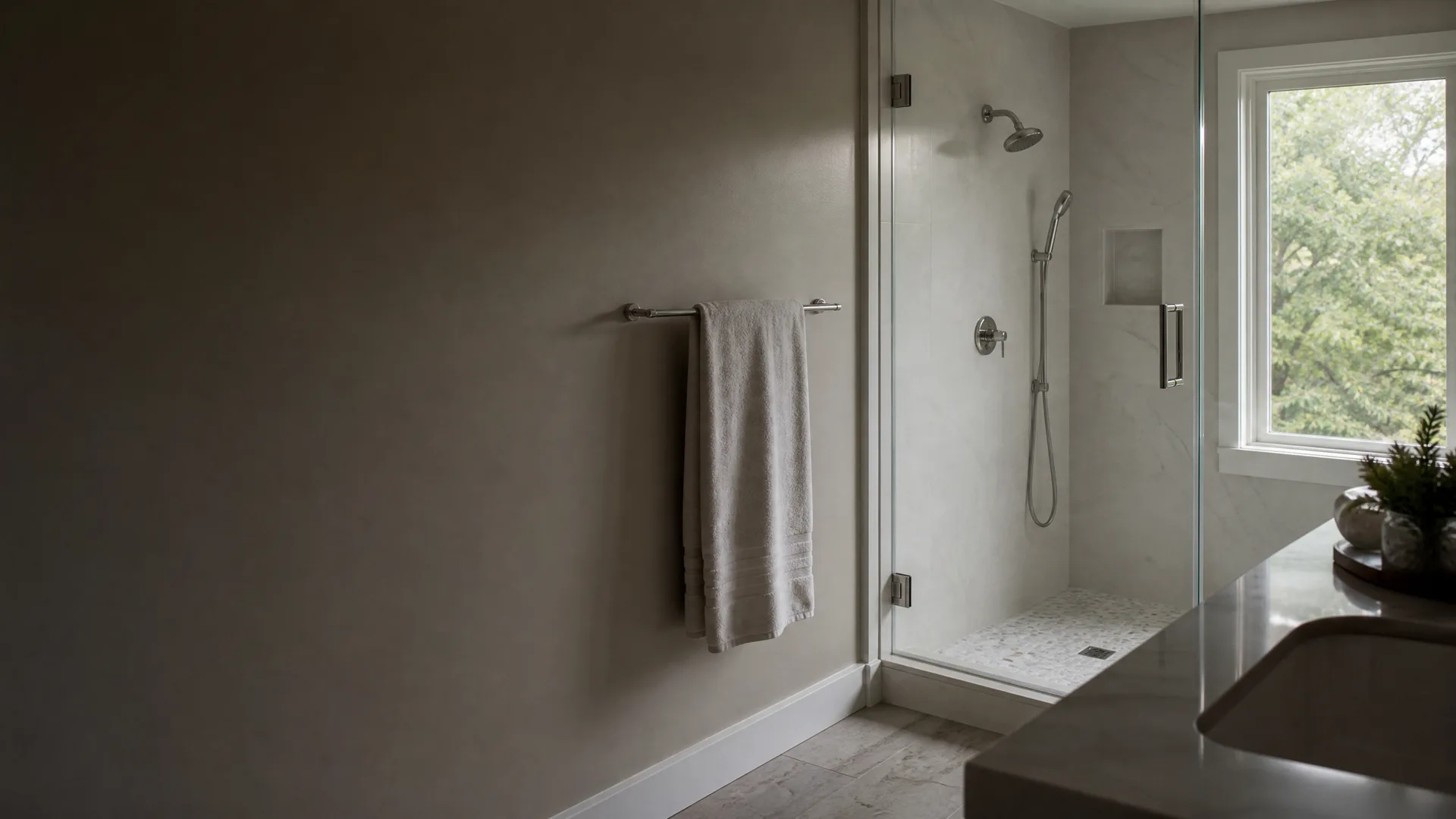
You step in before work and the water is already losing its heat. Two minutes, maybe three, and it's gone, that quick slide to lukewarm then cold. The towel's still on the rail, dry, waiting. Outside it's already heavy and warm, the kind of Louisiana morning where the bathroom should fog up fast, but there's barely any steam on the mirror. You turn the handle further, like that helps. It doesn't. You finish fast, rinse off what you can, and stand there a second longer than you want to, cold water running over your shoulder, thinking about the day ahead and the shower you didn't get.
You notice the water heater running almost constantly, or the breaker warm to the touch where the circuit feeds it. Someone showers in the morning and by evening there's nothing left for dishes, even though that used to be enough for the whole house. You might hear a low rumble or popping from the tank itself, or see water pooling underneath it. With power rates low here, most homes don't think twice about an electric water heater working overtime, so the signs get missed until the tank fails outright or a breaker trips and won't reset. A tank that strains to keep up usually has a failing part inside it, and left alone, that part can take the whole unit down.




The pro who reaches out is licensed in Louisiana.
No charge to send it. You decide if you hire them.
An electric water heater doesn't heat the whole tank at once. The upper element fires first and heats the top section, the part closest to the outlet, so a shower a few minutes in still feels fine. Once that section reaches temperature, the upper element shuts off and the lower element takes over, working through the rest of the tank underneath it. If that lower element has failed, nothing is heating the bottom two thirds. You get hot water for as long as the top section lasts, then it drops straight to cold, because there's nothing behind it. Sediment makes this worse. It settles to the bottom of the tank over time and sits right on the lower element, which has to work through that layer to heat the water above it. That extra strain is often what burns the element out ahead of the one on top. A thermostat set wrong, or stuck, can cut power to an element before its section ever gets to temperature, same result, a tank that reads full but isn't. And the dip tube, the pipe that carries incoming cold water down to the bottom of the tank, needs to stay intact to keep that cold water from mixing into the hot layer above it. A cracked dip tube lets cold water rise and blend into the water you're actually drawing from, so what should be a full tank of hot water runs short. A contractor checking this will usually test both elements and the thermostat before replacing anything.


A lower element that's failed means the tank still fires up and heats water. It just can't hold it. Only the top few inches ever get warm, so the hot water runs out fast every time.
A licensed contractor working these tanks every summer knows which element usually goes first and how to check it. Your request goes to one of them, not a handful competing for the job.
Most houses in Louisiana run their water heater on electricity, not gas, same as 64.7% of homes statewide. That means when a heating element fails, there's no pilot or burner to fall back on, just the other element trying to do the job alone. A contractor who works on electric tanks every week knows which one tends to go first.
ACS 2020-2024 5-year B25040
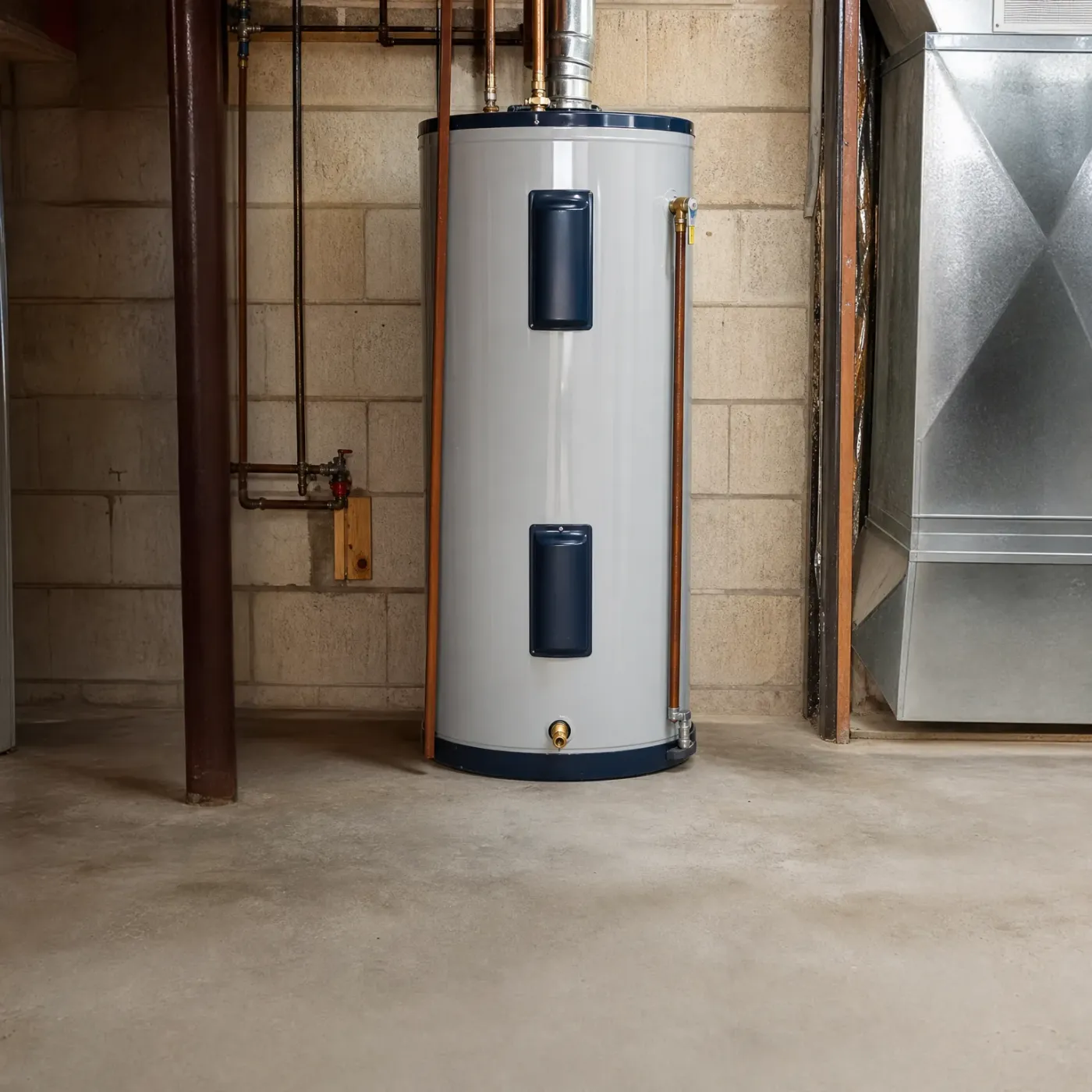
Both elements doing their job, top and bottom. Water heats all the way through the tank, not just the first foot. You can run a shower, then the washer, then the dishwasher, and the tank keeps pace with you.
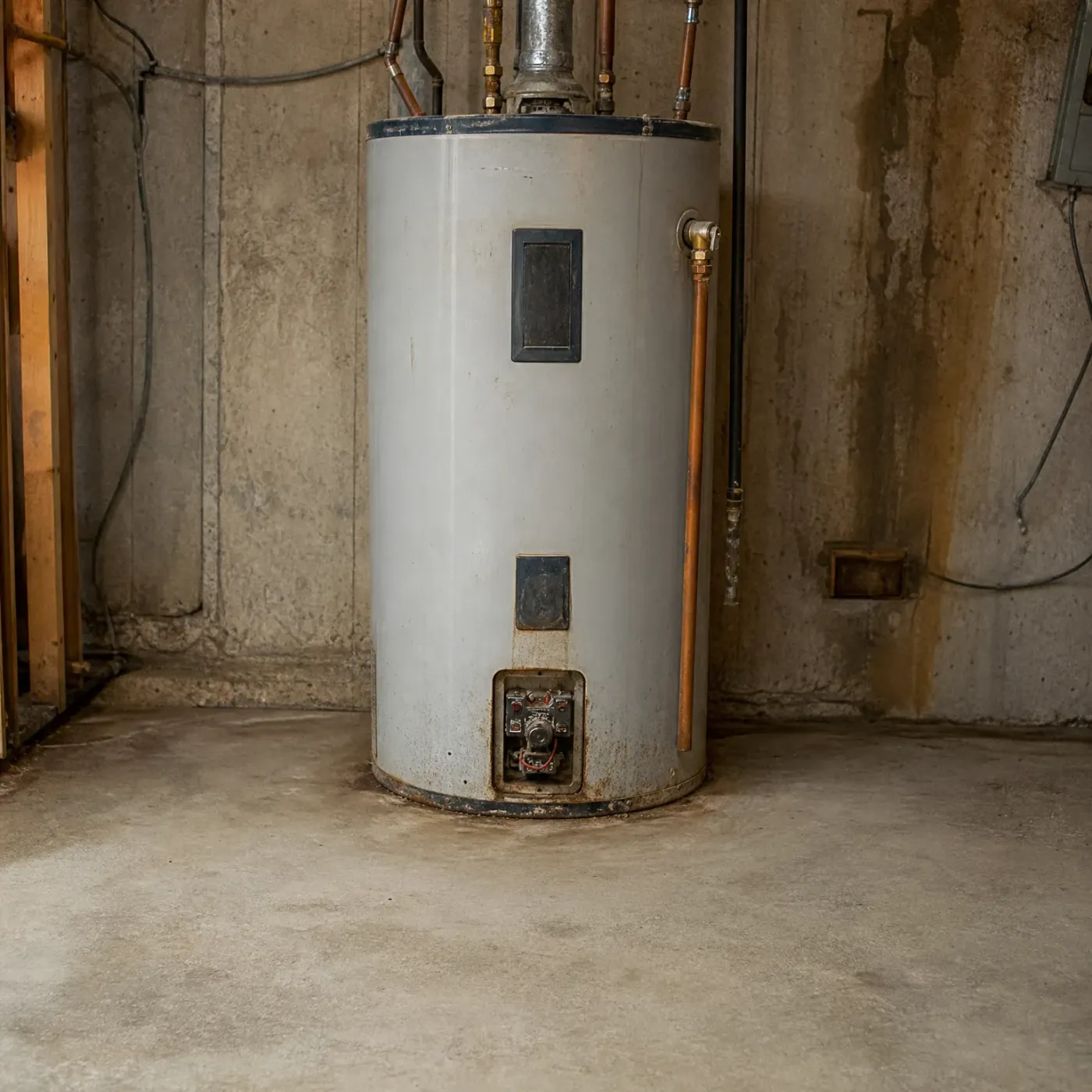
Rust on the tank, worn panels, connections that have seen years of heat and condensation. A unit like this has had time for an element to weaken or fail outright. Once that happens, it can only heat part of what it used to.
A water heater that empties fast usually comes down to one bad element doing the work of two. That's the whole answer, and it's a fixable one. A licensed contractor working in Louisiana sees this same failure constantly, electric tanks are what most homes here run, and a dead lower element is one of the first things checked when the hot water won't last. You won't get a handful of companies calling you back and forcing you to sort out who's worth hiring. One licensed, local contractor takes the job, someone who already knows what tends to go wrong in these tanks and how to check it fast. You'll know soon enough whether it's the element, the thermostat, or something else in the tank, and once that's answered, the fix is usually straightforward. No more guessing why the shower turns cold halfway through, and no more rationing hot water between the dishwasher and the laundry.
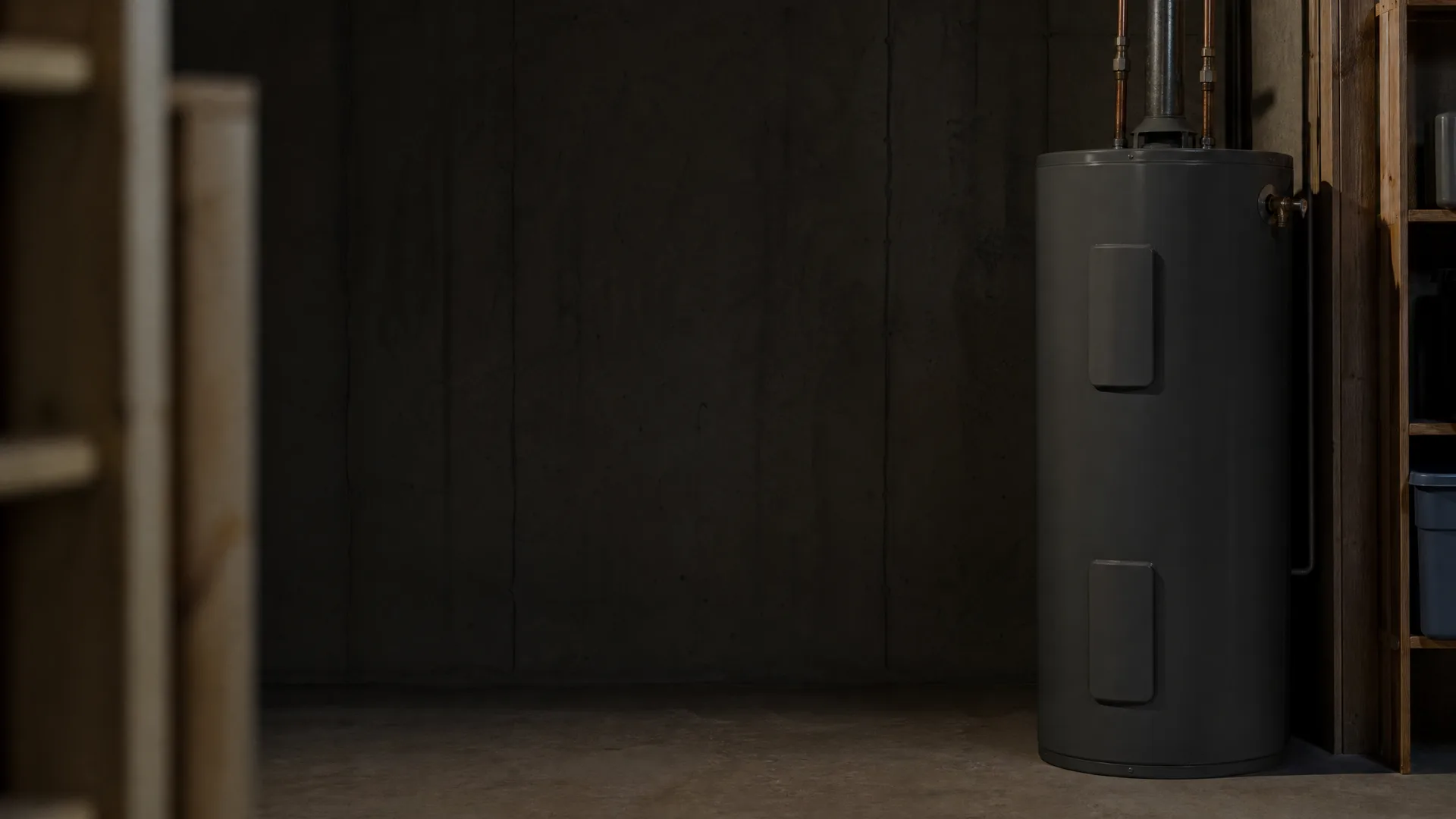
Your request stays with one local pro.