Why your water heater is leaking in Louisiana

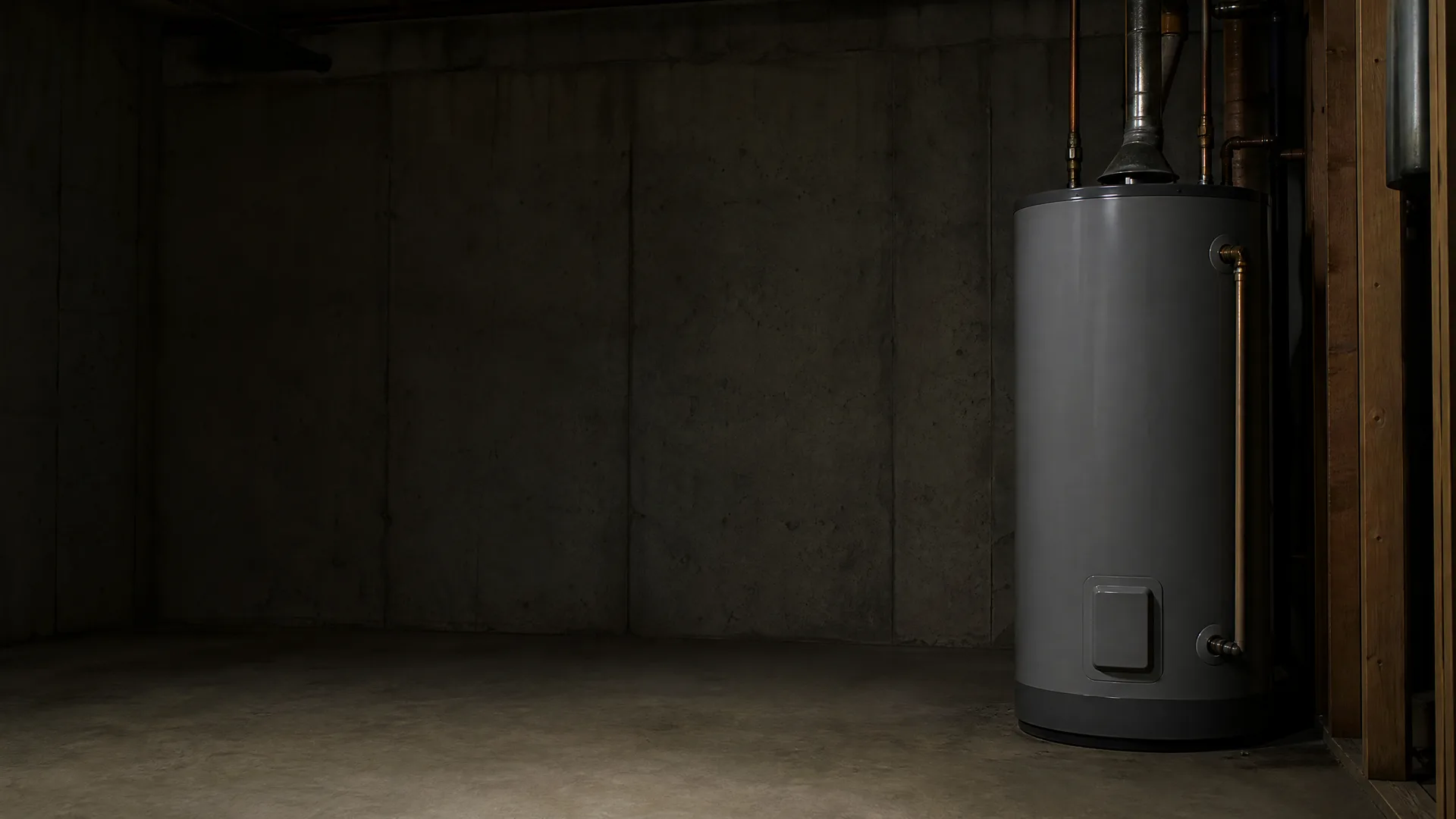
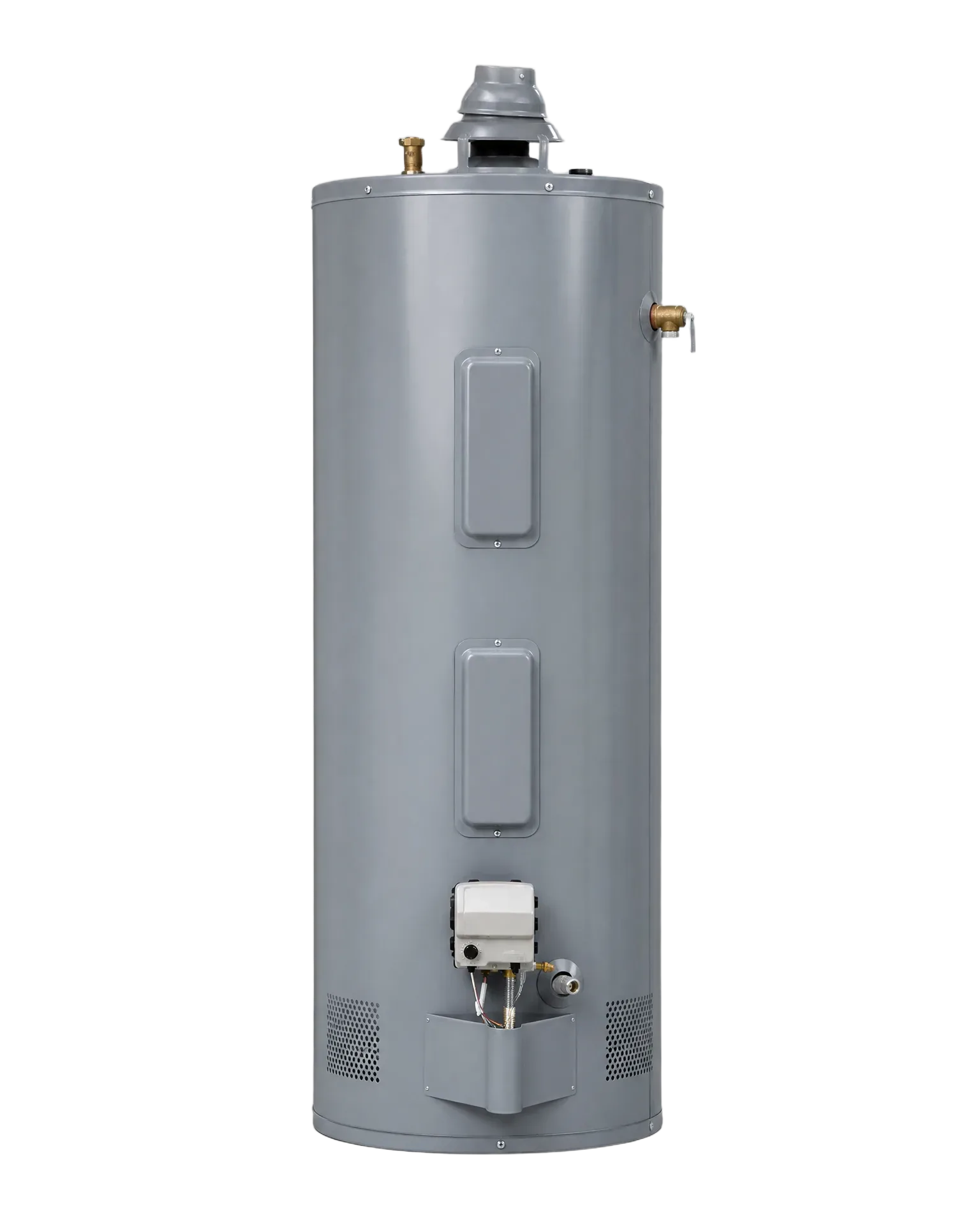
A gray cylindrical gas water heater with a top flue hood, brass fittings, two access panels, a control valve and burner cover, photographed against a plain gray background.
Find a pro near me

A leaking water heater almost always comes from the tank itself or one of the fittings on top. If water is pooling underneath, the tank has likely rusted through from the inside and needs to be replaced, not patched. If the water is coming from above, the culprit is usually the temperature and pressure relief valve, the cold water inlet, or the drain valve near the bottom, and those can often be repaired. Louisiana's humidity makes this harder to catch early, since condensation on the tank can look like a leak and hide a real one at the same time. A loose fitting or a worn valve will only get worse, and once the tank itself starts to rust, there is no fixing it, only replacing it. Either way, water around the base of the heater means something inside has failed or is about to, and it is worth having someone look at it before it turns into a flooded closet or garage.

A bearded man in a plaid flannel shirt stands in a kitchen looking out a window toward snow-covered shrubs, with a steaming mug on the windowsill and potted plants on a shelf behind him.
A smiling man with dark curly hair in a navy t-shirt sits on a gray couch indoors, with a large-leafed plant and a window in the background.

Why the tank rusts through first

Every tank-style water heater has a steel tank lined with glass to keep the steel from touching water. That lining cracks over time, and once it does, the steel underneath starts to rust. A rod inside the tank is there to slow this by corroding first, but it wears down and eventually stops protecting the tank. After that, rust works through the steel from the inside out, and you won't see it until it's gone all the way through and water starts pooling at the base. By then the tank itself is compromised, not just a part attached to it.

Why fittings fail sooner here

The fittings on top, the inlet and outlet connections, the pressure relief valve, the fittings for the electric elements, are usually brass or plastic threaded into the tank, and they can loosen or wear out well before the tank does. Humidity in the air here doesn't cause this directly, but a water heater often sits in a garage or closet where moisture and heat build up, and that environment speeds up corrosion on any exposed metal fitting. A contractor who works on these tanks regularly can tell from where the water shows up whether it's a fitting worth replacing or a tank that's done.

A woman in a gray turtleneck sweater stands by a window looking outside at snowy ground, with a dimly lit living room containing a sofa, shelves, lamp and a lit candle behind her.
A woman in a cream cable-knit turtleneck sweater stands in a warmly lit living room with a fireplace and shelves behind her, looking out a window toward snow-covered trees and a railed deck.
A woman in a cream knit turtleneck sweater stands by a window looking out at snow, with a lit fireplace, sofa and lamp in the room behind her.
A woman in a gray knit sweater sits by a window looking out at falling snow, with a dimly lit living room containing a sectional sofa, pillows, a lamp and houseplants behind her.
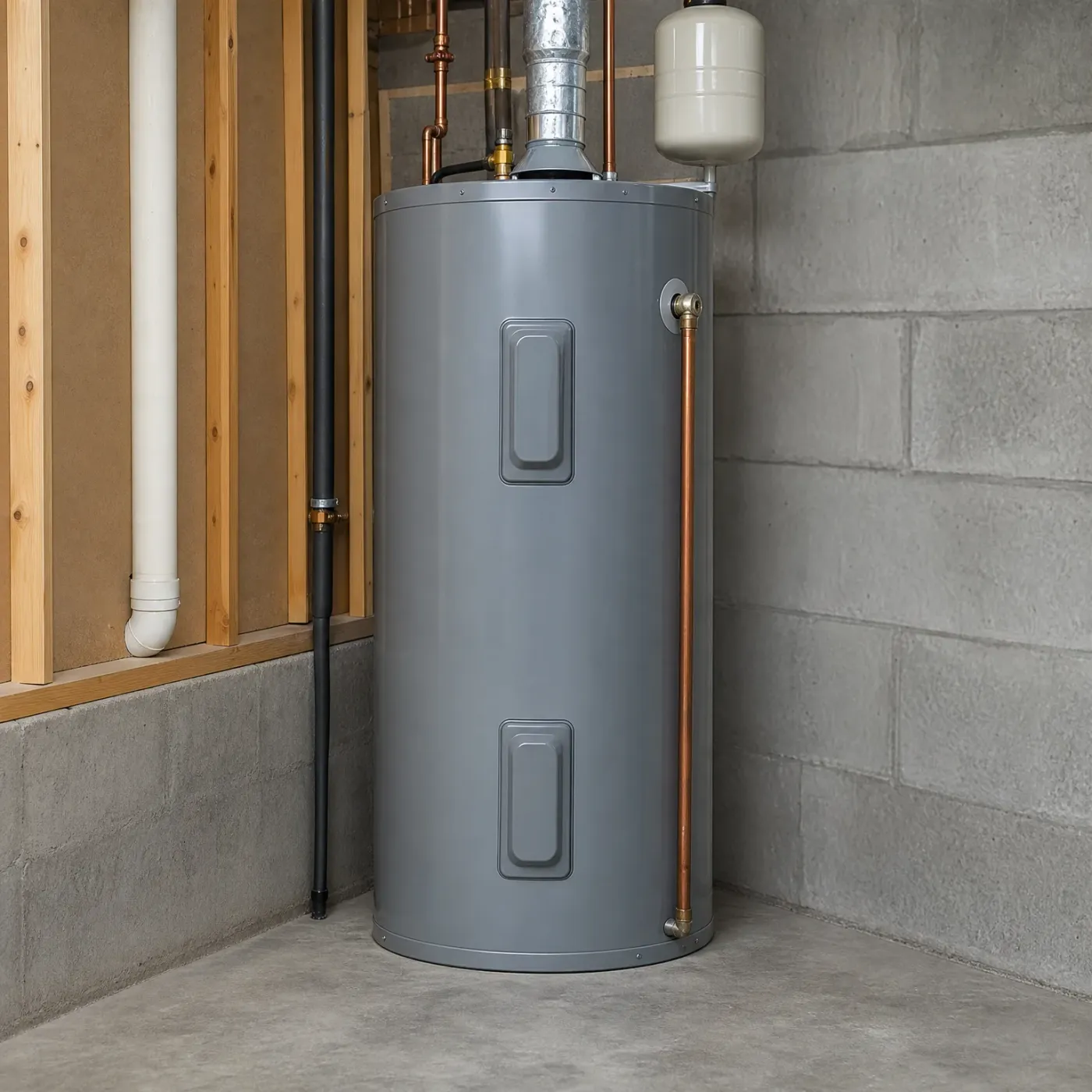
A gray cylindrical water heater with copper piping and an expansion tank stands in a basement corner beside a concrete block wall and exposed wood framing.

Working normally

No puddles, no rust streaks, no damp spot on the floor around the base. The fittings on top are dry, the drain valve is dry, and the pipes connecting to it show no green or white buildup. This is what to check for each time you're near it.

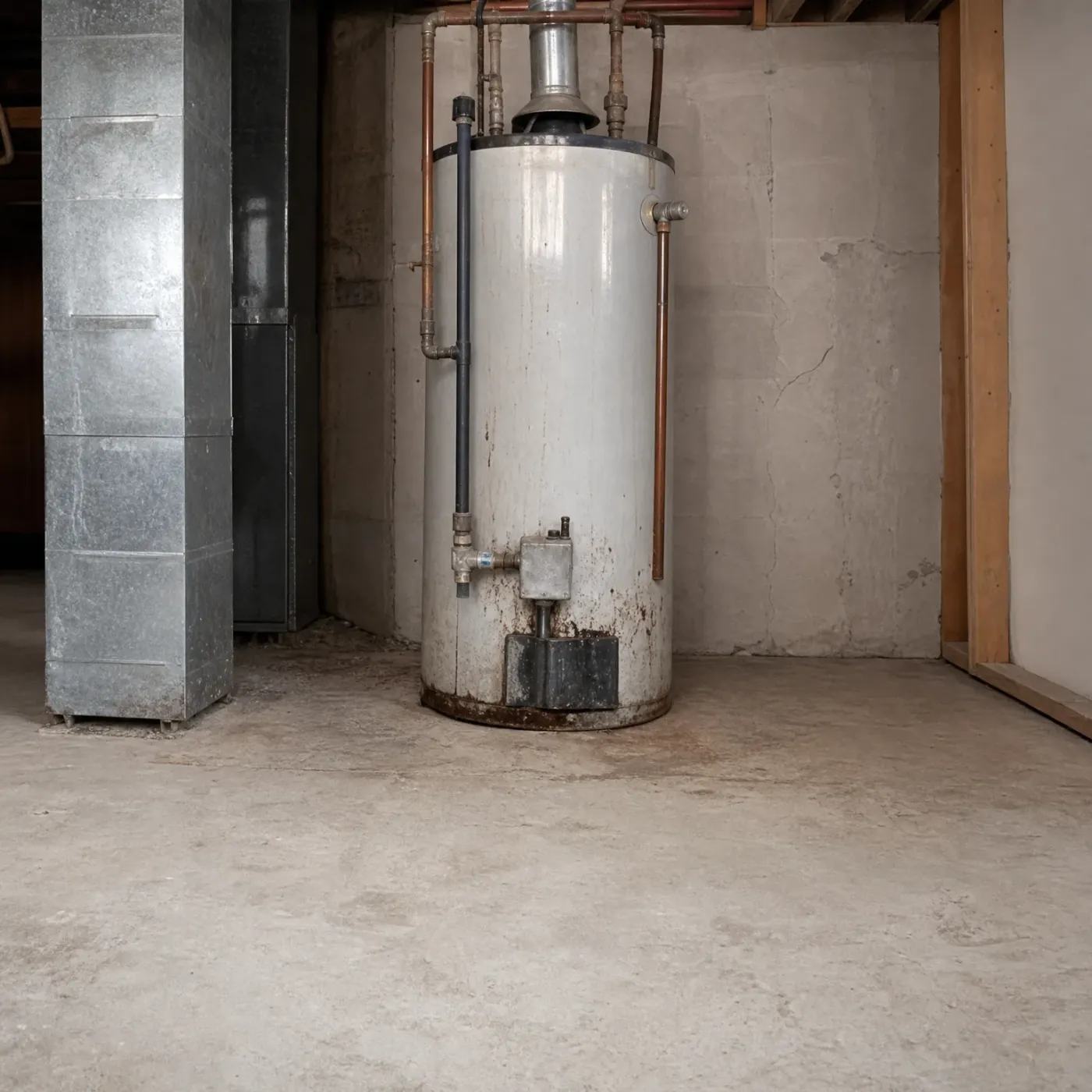
An old rusting cylindrical gas water heater with copper and steel pipes and a flue stands against a concrete basement wall beside metal ductwork on a bare concrete floor.

Tank in trouble

Rust has worked through the steel and mineral deposits coat the fittings. Water is pooling at the base or weeping from a seam in the tank itself. Once the tank is rusted through like this, no fitting repair or drain valve replacement fixes it. The tank has to come out.

Fitting Leak or Tank Leak

Fitting leak

  • Water shows up only around a connection point, like the drain valve, the cold inlet, or the temperature and pressure relief valve.
  • The tank itself stays dry, and tightening or replacing the fitting usually stops it.
  • A loose drain valve can weep slowly and look worse than it is once it's snugged back down.
  • A relief valve that drips is often responding to pressure inside the tank, not failing on its own.
  • This kind of leak can often be repaired without replacing the whole unit.
  • Catching it early, before it spreads to the floor or nearby wiring, keeps the repair small.

Tank leak

  • Water pools underneath the unit itself, not around any single fitting on top.
  • This means the steel tank has rusted through from the inside, and no sealant or patch fixes that.
  • Once the tank is breached, it only gets worse, since water pressure keeps forcing more out.
  • A rusted tank means the whole water heater needs replacing, not just a part.
  • Rust streaks running down the outside of the tank are often a sign this has already started.
  • Waiting on this kind of leak risks water damage to the floor and anything stored nearby.
  1. The glass lining inside the tank cracks as it ages.

  2. Exposed steel starts to rust where the lining failed.

  3. Rust eats through the tank wall and water seeps out.

  4. Water pools under the tank or drips from a fitting above.

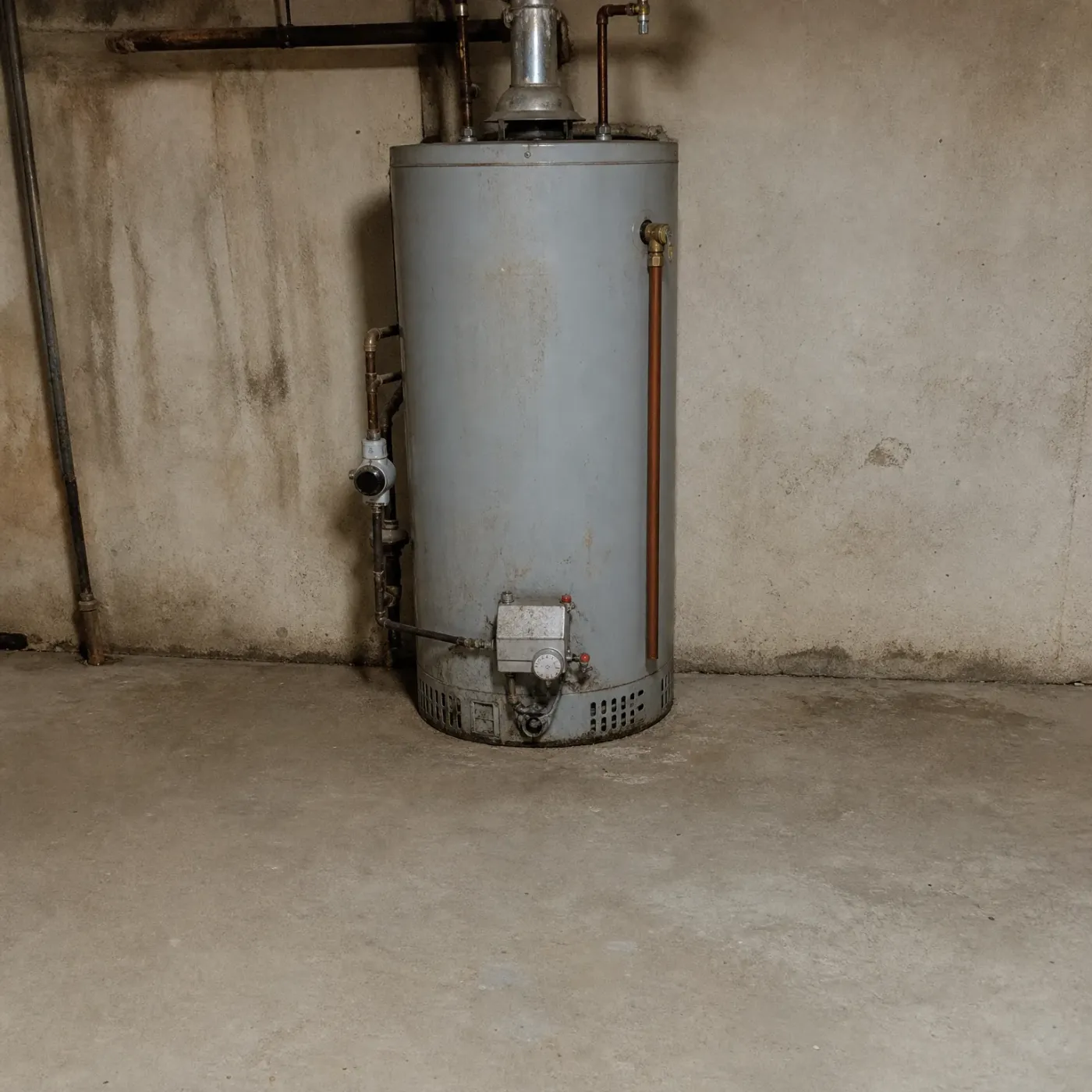
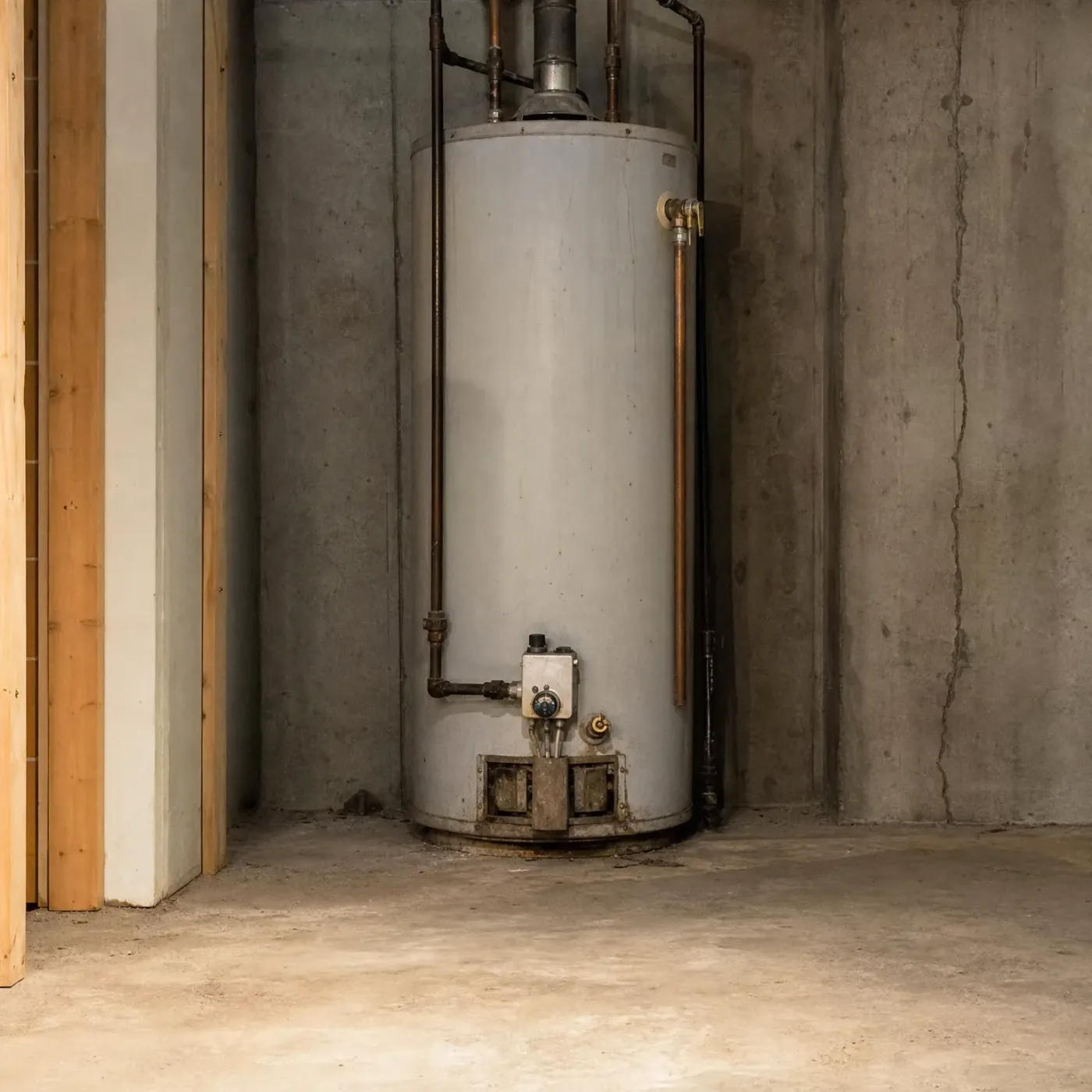
An older gray cylindrical gas water heater with copper and steel piping and a flue, standing on a concrete floor against a stained concrete wall.
Before you get your water heater repair
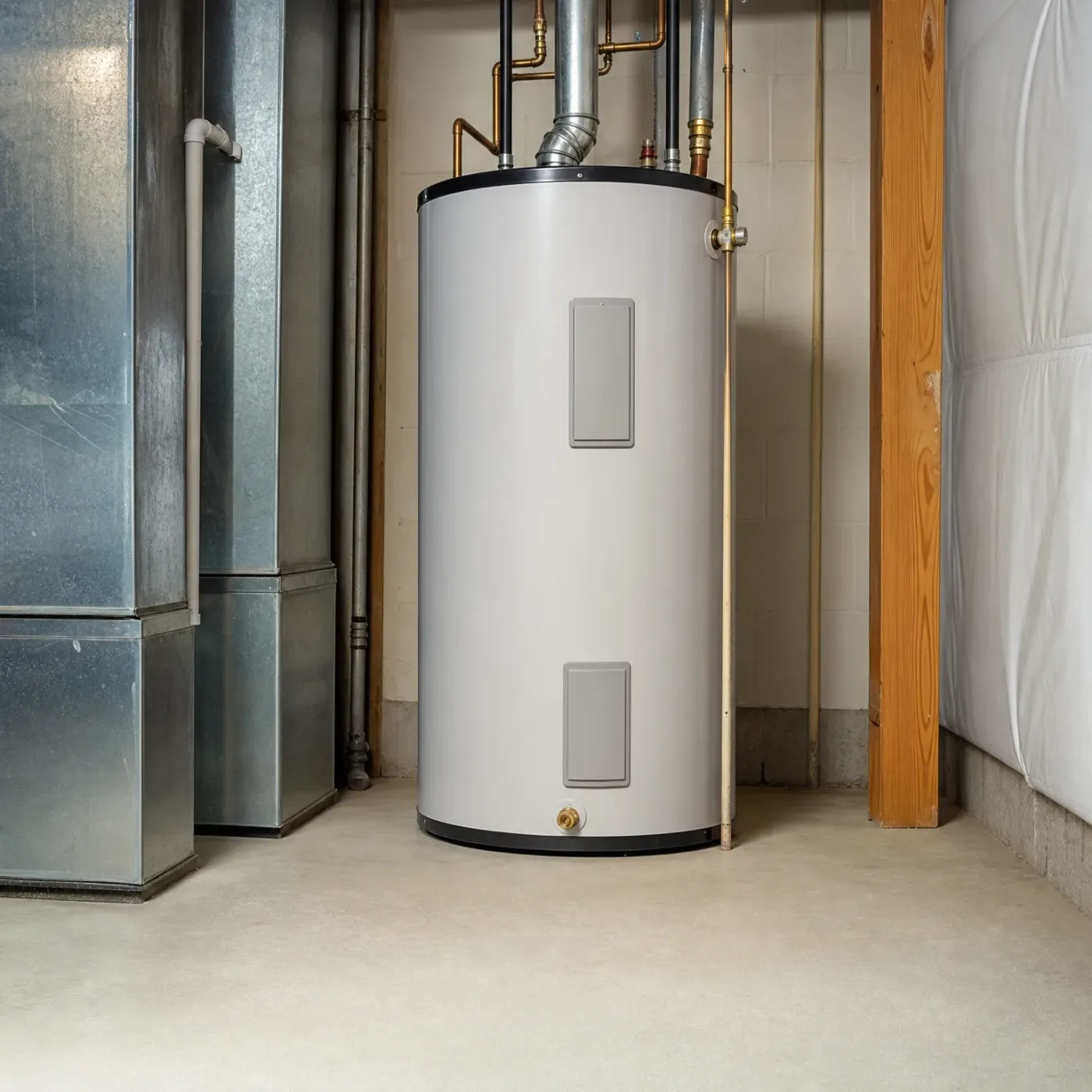
A white cylindrical water heater with two access panels stands on a concrete floor in a basement corner, beside galvanized ductwork, copper and metal pipes, a wooden post, and a concrete block wall.
After you get your water heater repair
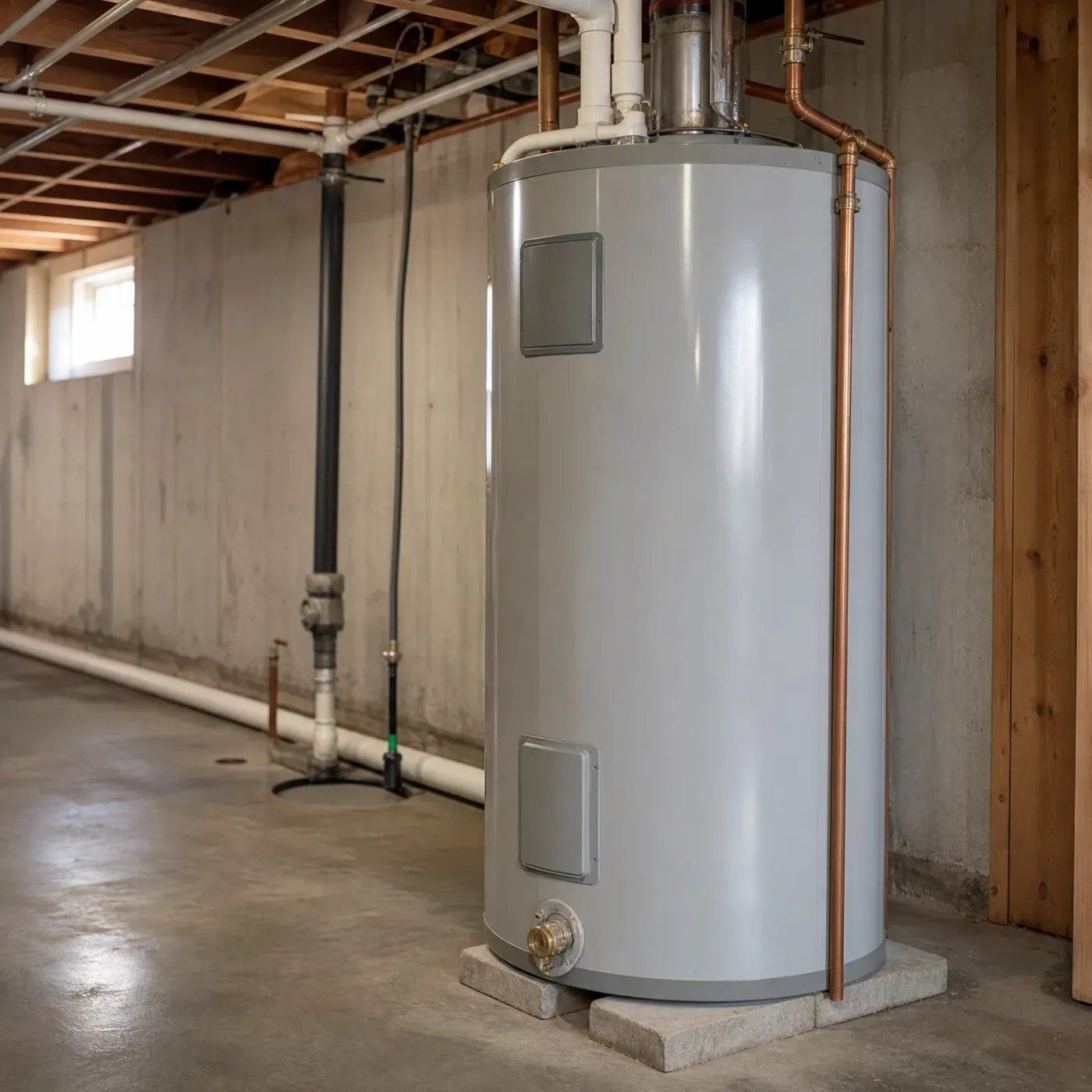
A large white cylindrical water heater on concrete blocks in a basement with poured concrete walls, exposed joists, copper and PVC piping, and a small window.

A water heater pro near you

The pro who reaches out is licensed in Louisiana.

Tell a local repair pro what your water heater is doing.

Find a licensed pro

No fee to send it, and nothing to sign.

What are you noticing around your water heater right now

You might have found a damp patch on the floor near the base, or water that shows up again within a day of wiping it dry. Maybe there's a drip from one of the fittings on top, or a faint metal smell near the tank. Some homeowners notice a rust-colored ring around the bottom edge, or the drain valve staying wet no matter how many times it gets tightened. Left alone, a tank that's rusting through will keep losing water until it fails outright, and that water can soak flooring, baseboards, or whatever's stored nearby. A fitting leak is simpler, but ignoring it long enough can still warp a floor or feed mold in the drywall around it.

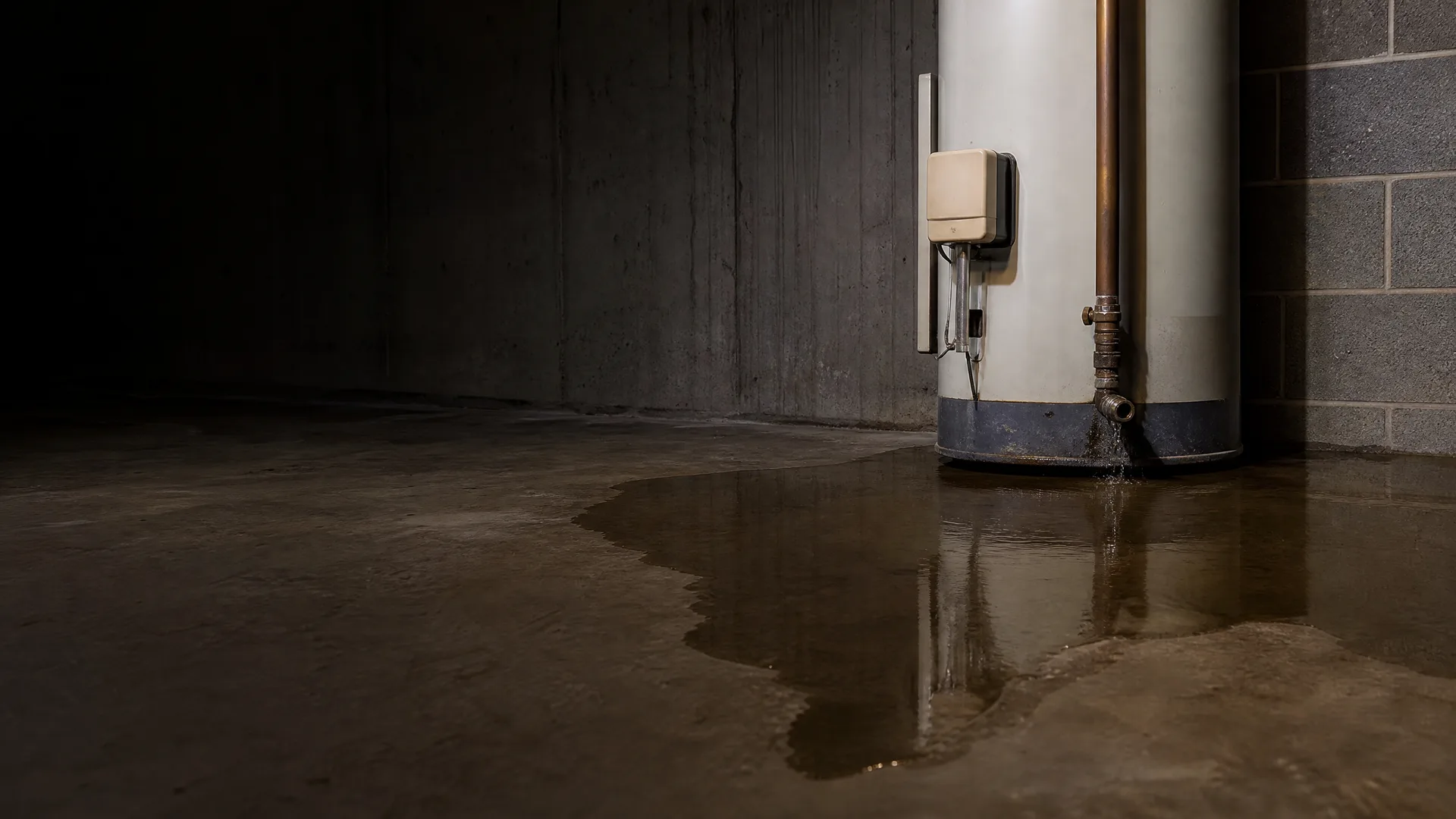
A water heater tank with copper piping and a drain valve stands against a concrete and block wall in a dim basement, with a large puddle of water spreading across the floor.

Saturday morning, and you're down in the basement to grab something off the shelf when your sock gets wet. You look down and there's a pool spreading out from the base of the tank, already a foot wide on the concrete. It's warm out already, the kind of muggy Louisiana morning where the basement is the coolest place in the house, which is probably why you were down there in the first place. You grab a towel and wipe it up, then crouch down to look at the tank itself. No drip from any of the fittings up top. The water is coming from underneath, from the tank, and it's already pooling again by the time you stand back up.

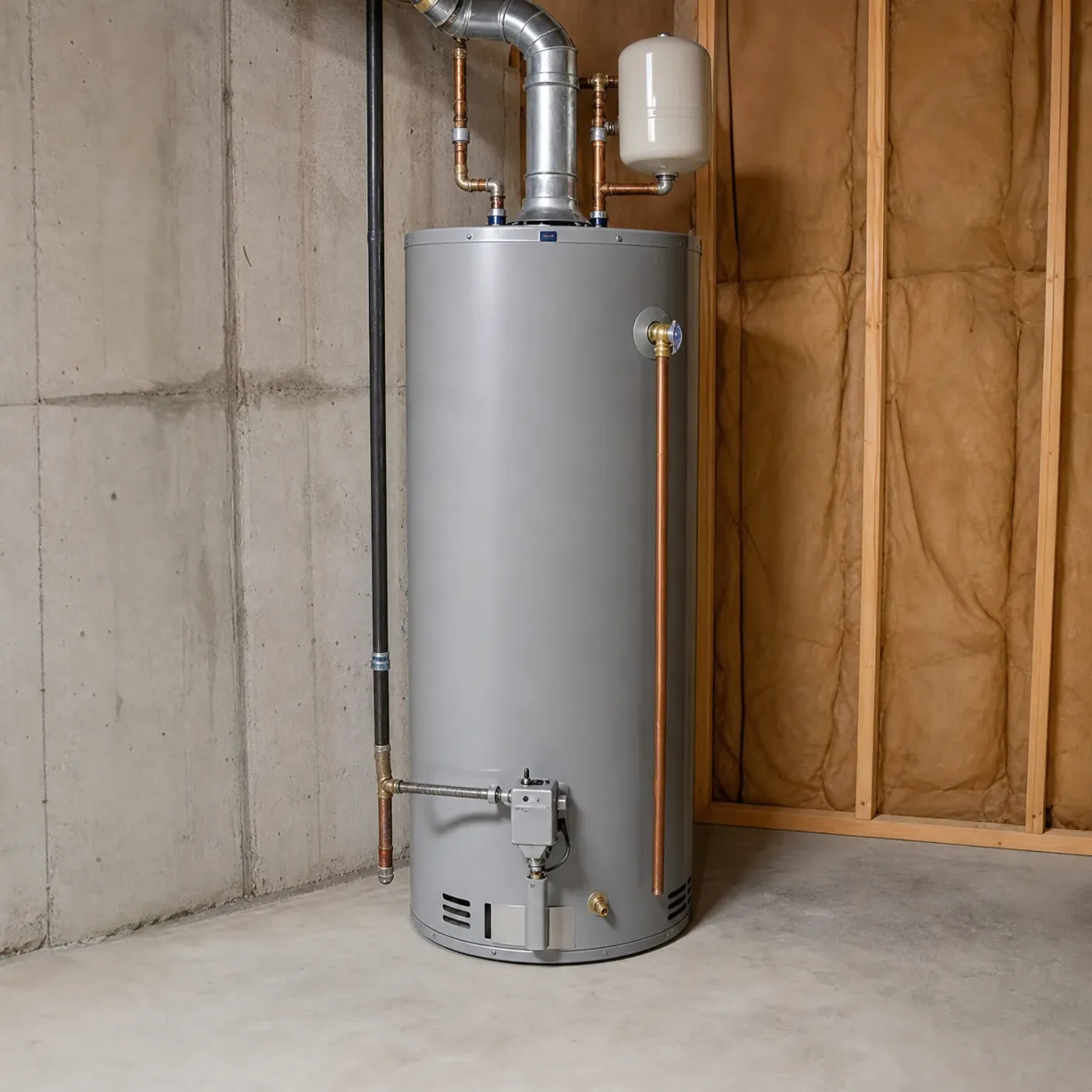
A gray cylindrical gas water heater with copper piping, flue vent, and a small expansion tank stands in a basement corner between a concrete wall and an insulated stud wall.
Copper lines run clean into the top of the tank, the expansion tank sits steady above it, and the floor underneath stays bare concrete.
An older gas water heater with copper and black pipes stands in the corner of a bare concrete basement next to a wood-framed partition wall.
Pipes stained green climb out of an old tank in the corner, and the gas valve at the base sits close enough to catch whatever drips down.

64.7% of homes statewide heat with electricity

Most houses in Louisiana run their water heater on electricity rather than gas, and that tank still rusts through from the inside the same way any tank does. An electric water heater just means two heating elements instead of a burner, so when it leaks, the fix is a repair call either way.

ACS 2020-2024 5-year B25040

Where the water is coming from

  • Water pooling under the tank means rust ate through the steel and the tank needs replacing, not patching.
  • Water showing up only at a fitting on top, like the drain valve or the relief valve, is usually fixable by tightening or replacing that part.
  • Wiping the area dry and checking back the next day tells you which of these two problems you actually have.
  • A local contractor who services water heaters all year has likely seen the same leak pattern on dozens of tanks like yours.
  • Matching you with one licensed contractor means one visit and one assessment, not a string of calls from different companies.
  • Catching a fitting leak early often keeps it from turning into the bigger problem of a rusted-through tank.

Where the water shows up tells you what you're dealing with. Under the tank, on the floor, means the steel has rusted through and the tank is done. At a fitting on top, the tank is still sound and the fix is usually smaller, a tightened or replaced valve. Wipe the area dry and look again the next day. If the water is back, you know which of the two you're facing, and that decides whether you're calling about a part or a whole new tank.

Either way, the leak only gets worse from here. A loose fitting left alone keeps dripping onto the floor below it and whatever's stored near the tank. A rusted tank keeps losing water until it fails outright, usually without warning.

A contractor who works on water heaters all year in this area has seen both kinds of leak more times than most homeowners ever will, electric tanks included, since that's what runs in most houses here. They know which fittings tend to loosen first and which tanks are past saving the moment water shows up underneath. When you're matched with one, it's one contractor who takes the call, looks at what you've found, and tells you straight which problem you have. Not a handful of companies competing for the job, just the one who's qualified to handle it.

That's the whole question this page set out to answer. Puddle under the tank, replace it. Drip from a fitting, fix the fitting. What you do next depends on which one you're looking at.

A gray cylindrical water heater with copper pipes and a metal flue stands against a concrete wall in a dim basement with a bare concrete floor.

A local pro for your water heater repair

Only one pro gets your request, so you hear from one company.

Step 1 of 3: Equipment