One Bad Element, One Fix
- A tank that recovers slow instead of not at all almost always points to one bad element, not a dead water heater.
- Checking which element failed means testing power at the thermostat and the element itself, not just looking at the tank.
- A licensed electrician or plumber working water heaters in Louisiana year round knows which element fails first and why.
- One local contractor handles the diagnosis and the repair, so you are not fielding calls from several companies about the same job.
- Once the failed element is replaced, the tank goes back to heating both sections on the schedule it was built for.
- Leaving a bad element in place does not damage the tank, but it keeps you stuck with the same short supply of hot water.
Slow recovery in an electric tank almost always comes down to one element doing the work of two. The fix is straightforward once someone tests the thermostats and elements and finds the one that quit. That is a job for a licensed electrician or plumber, since it means working inside the tank's wiring and power supply, not something to leave to guesswork.
A contractor who works on water heaters across Louisiana all year has seen this exact failure plenty of times. They know which element tends to go first in a tank like yours and what to check before they ever open the panel. You get one contractor assigned to the job, so you are not explaining the same problem to three different companies or sorting through quotes that all describe it differently. They diagnose it and make the repair in the same visit.
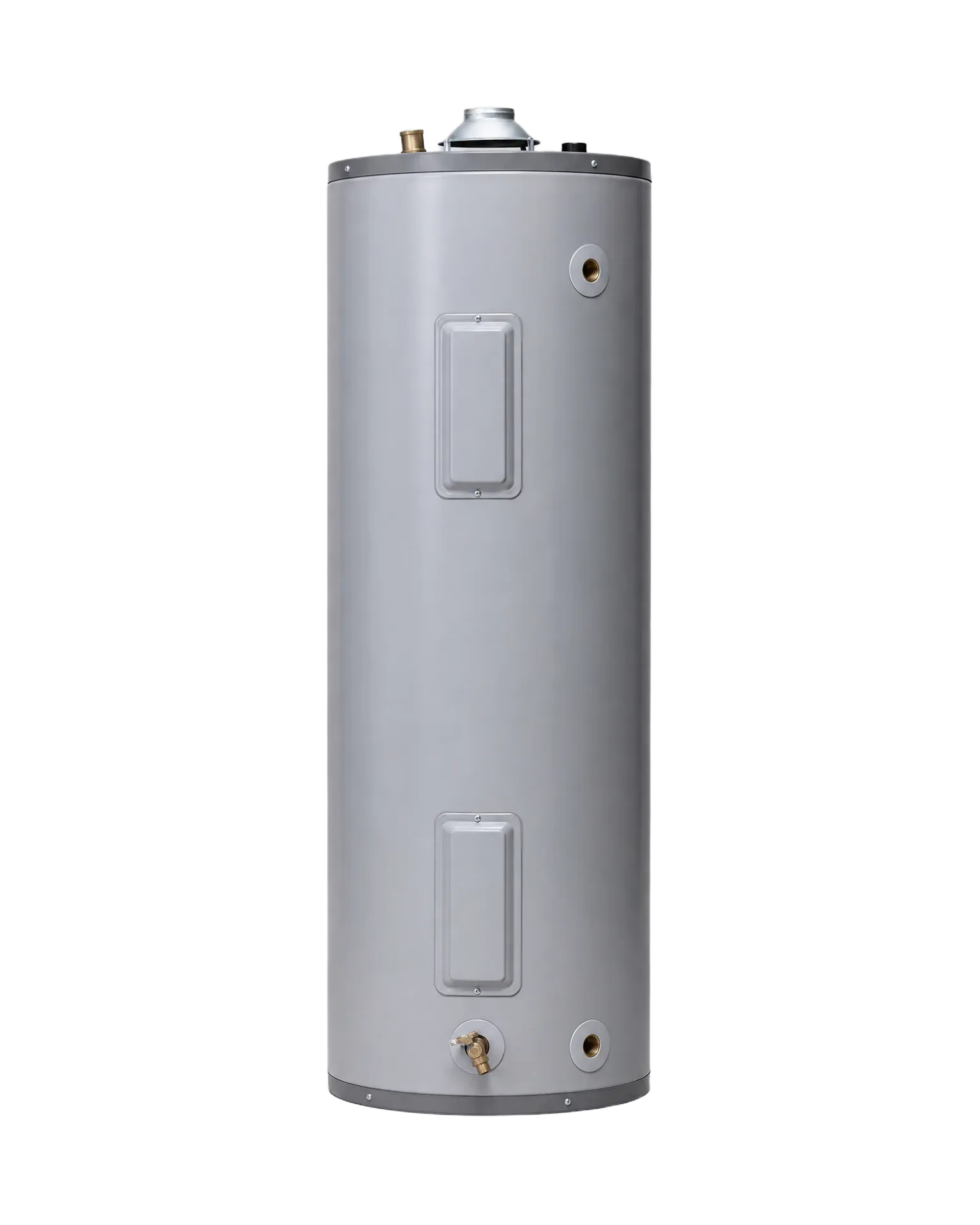
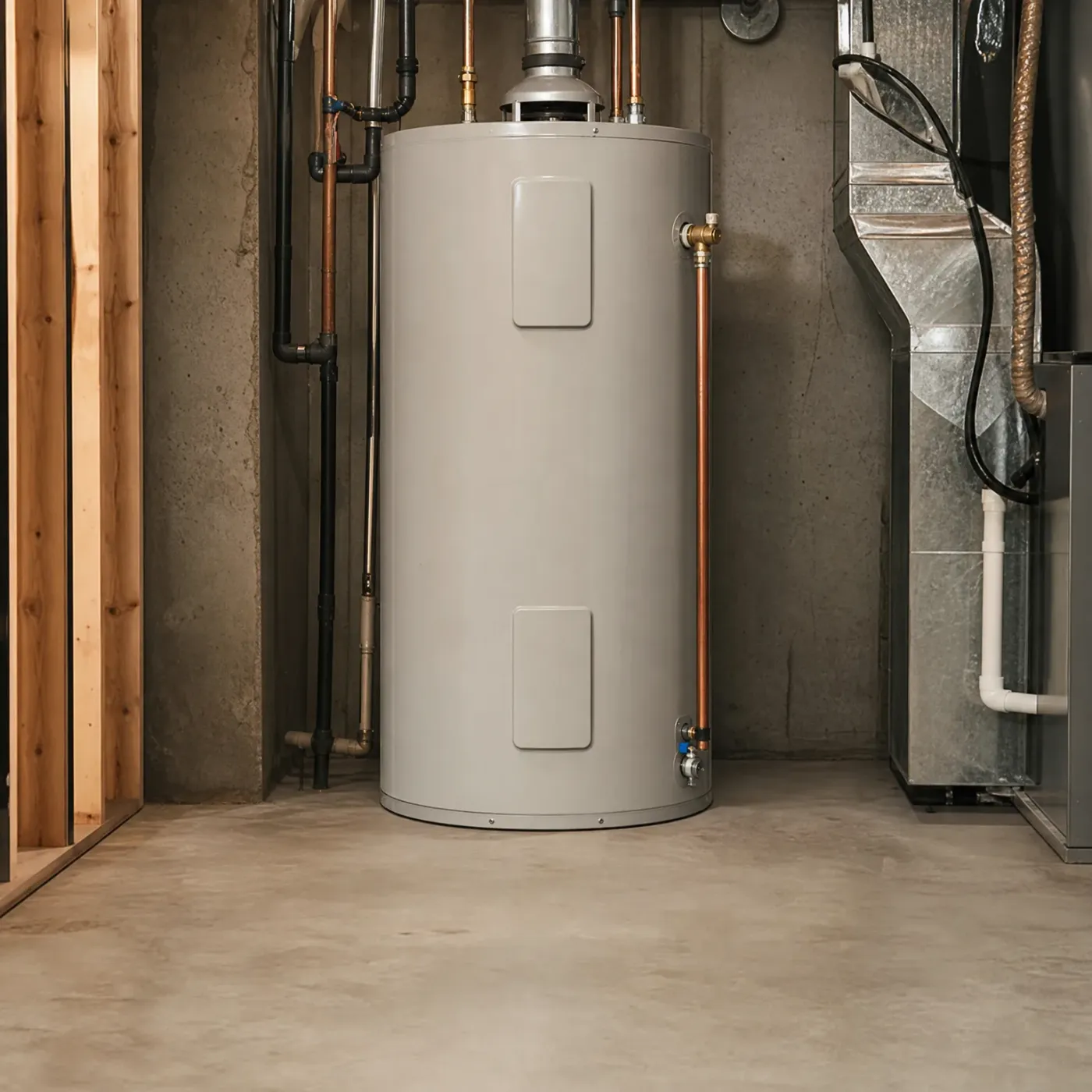
Once the bad element is replaced, the tank goes back to recovering the way it was built to. Cold water moves through the dip tube, the lower element heats it, the upper element keeps the top section at temperature, and a full tank comes back online on the schedule you had before any of this started. There is no tank damage from a failed element sitting unreplaced, only the inconvenience of a short supply of hot water until it's swapped out. Once it's in, you are back to two showers in a row without the second one turning cold.