Why your water heater makes popping noises in Louisiana

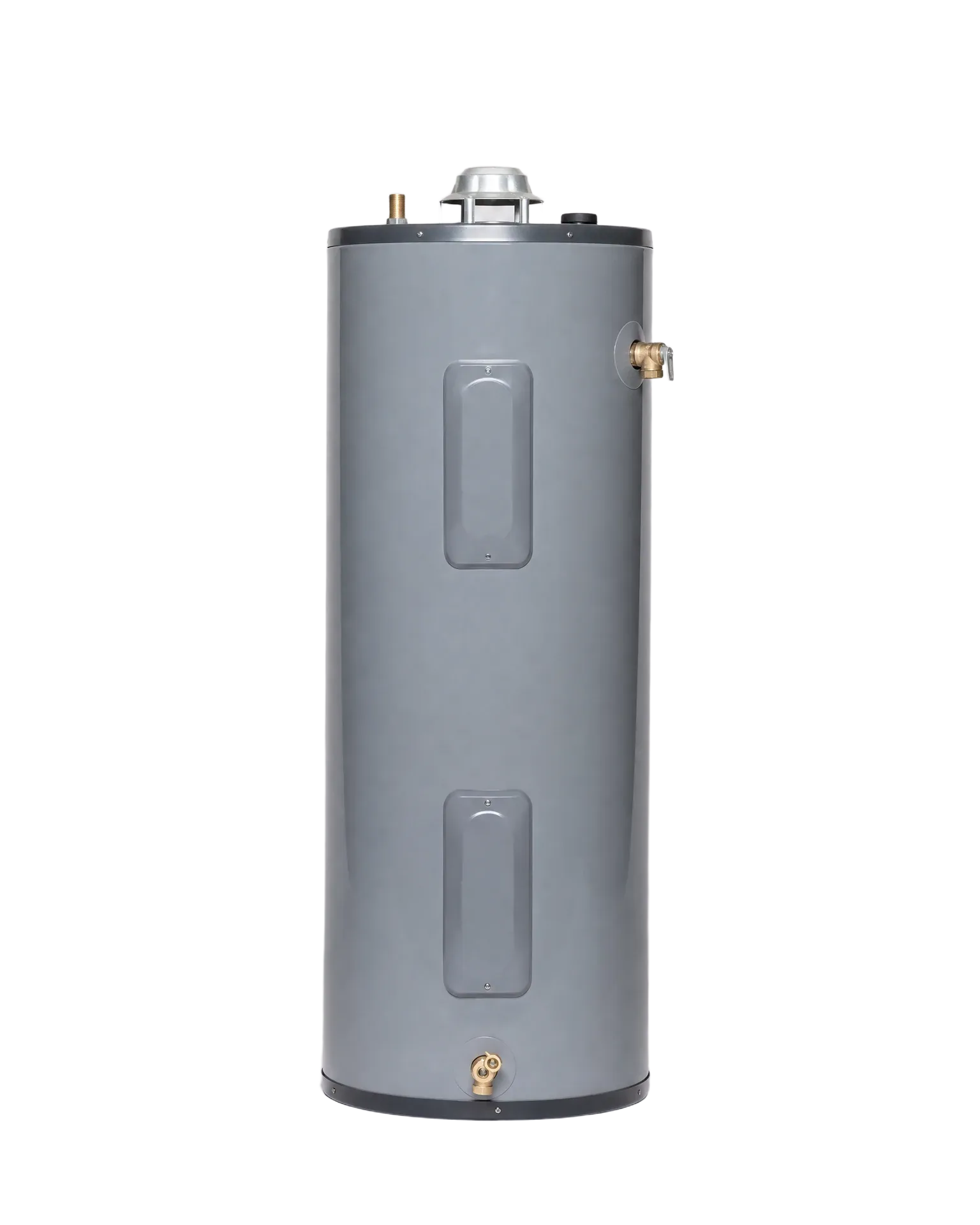
A gray cylindrical water heater with two access panels, a brass side valve, a bottom drain valve, and a metal vent cap on top, photographed against a plain light background.
Hand off my repair

Why does my water heater make a popping noise?

You walk by the water heater and hear it, a popping or rumbling sound from inside the tank. It's not constant, but it's loud enough to notice, and the house runs on electricity, so you're wondering if the noise means the unit is working harder than it should or heading toward a bigger problem while you're trying to keep things running smoothly at home.

It's sediment built up at the bottom of the tank

Louisiana water tends to leave mineral deposits behind, and those settle at the bottom of the tank over time. When the heating element underneath fires, water trapped under that layer turns to steam and pushes through, and that's the popping you hear. Electric water heaters run that bottom element often, since most homes here heat water with electricity, so the sediment builds up and the noise shows up sooner than it would otherwise. The sound alone doesn't mean the tank is failing, but it does mean the element is working through a layer it shouldn't have to, and that layer only gets thicker from here.

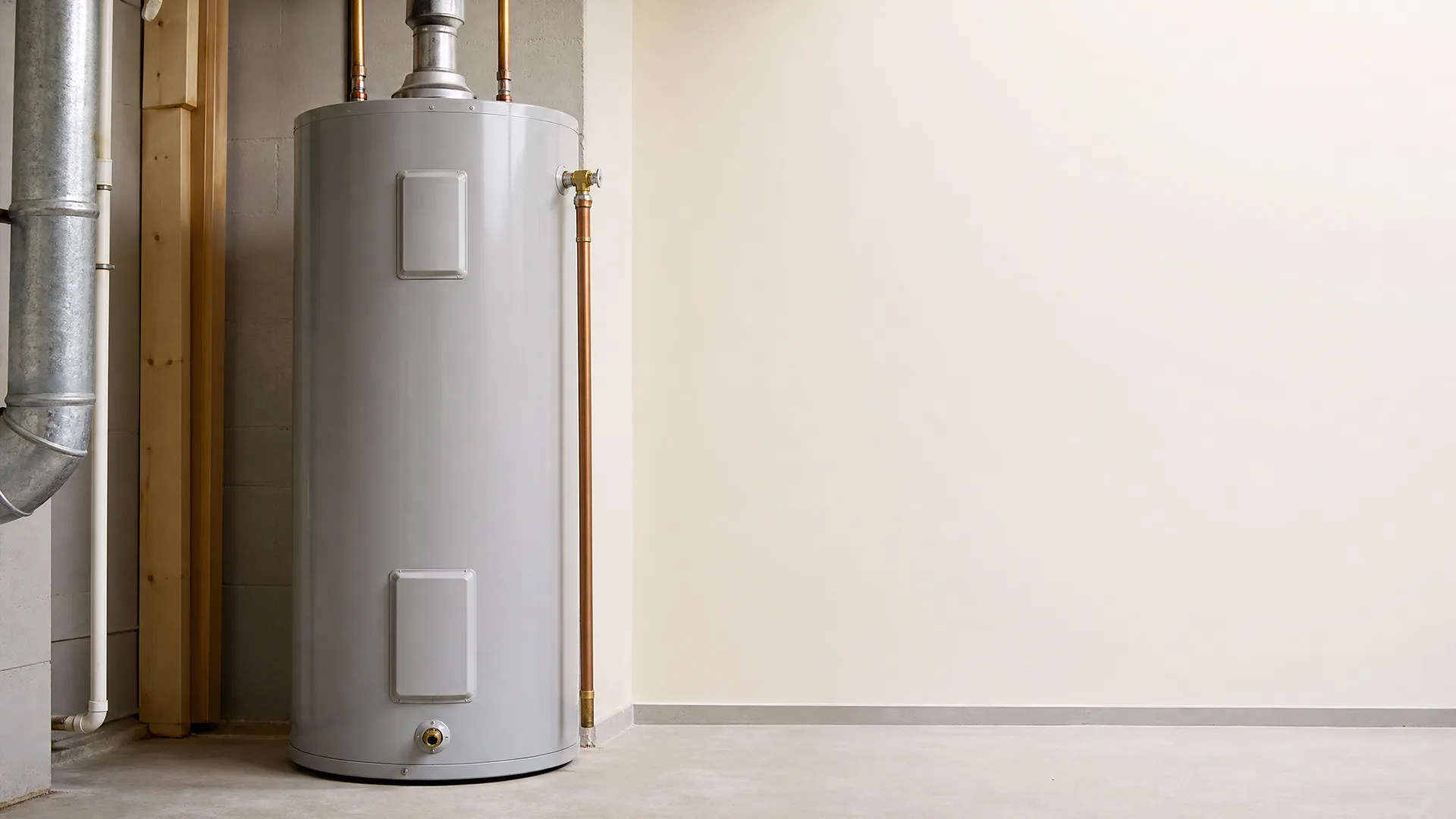
A gray cylindrical water heater with copper pipes stands in a basement corner beside a metal duct and wood framing, next to a plain beige wall and concrete floor.

What's actually popping in there

Sediment settles at the bottom of the tank over time, below the heating element. When the element heats up, water gets trapped under that layer and turns to steam. The steam bubbles push up through the sediment and collapse, and that's the popping you hear. The more sediment built up, the louder and more frequent it gets. It's not the tank itself failing in that moment, but it means the element is working harder than it needs to.

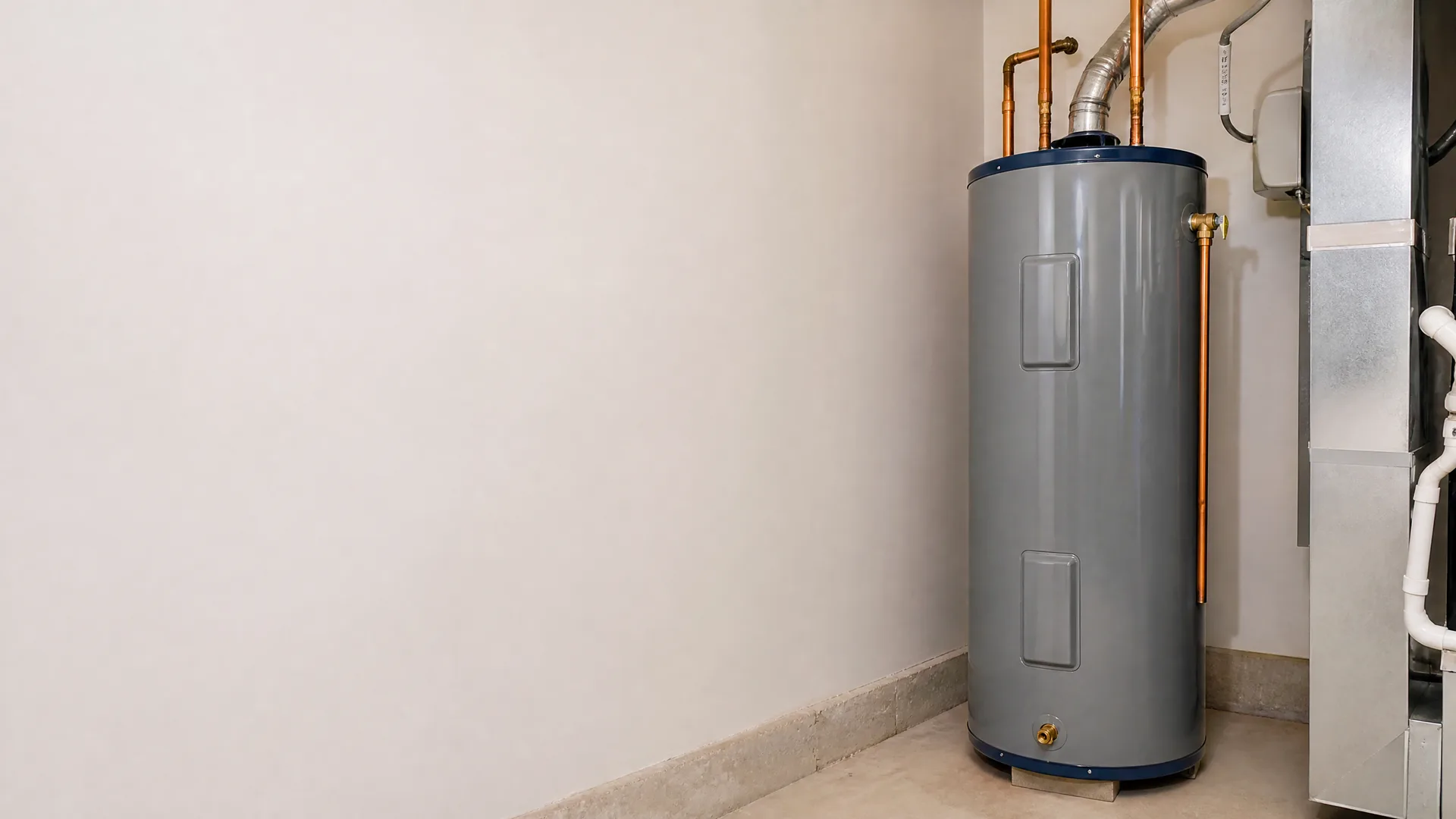
A gray cylindrical water heater with copper pipes stands in a corner of a basement utility room beside metal ductwork and white PVC piping.

Why electric tanks show this early

Most homes here run electric water heaters, and the heating element sits down inside the tank, right where sediment collects. A gas burner heats from below the tank, so sediment doesn't sit directly against a hot surface the same way. With an electric element buried in that layer, it takes less buildup before you start hearing it. Left alone, the element can burn out sooner than it should, which is the more expensive problem hiding behind the noise.

Live With It or Call Someone

Leave It Alone

  • Light popping that stays faint and doesn't get louder over a few weeks usually just means sediment is building up slowly.
  • Electric water heaters run quiet most of the time, so soft ticking right after the element kicks on isn't unusual.
  • If the tank still delivers hot water at the same rate as always, the sediment layer hasn't caused real damage yet.
  • Flushing the tank yourself can clear light sediment if you're comfortable shutting off the power and draining it.
  • Louisiana's cheap power means an extra few minutes of heating time from sediment buildup won't hit your bill hard.

Get It Looked At

  • Loud, frequent popping or banging usually means the sediment layer has built up thick enough to trap larger amounts of steam.
  • A tank that's noisier than it used to be, especially paired with less hot water, points to a heating element working harder than it should.
  • Sediment sitting against the tank wall can wear at the metal over time, and that's not something flushing fixes once it's started.
  • A local contractor who works on electric water heaters all year knows which Louisiana water conditions tend to cause heavier buildup.
  • Sending one request means one licensed contractor looks at your tank, not a handful of companies calling about the same job.
  • If the popping comes with leaking, rust-colored water, or a burning smell, the tank needs a look before it fails outright.
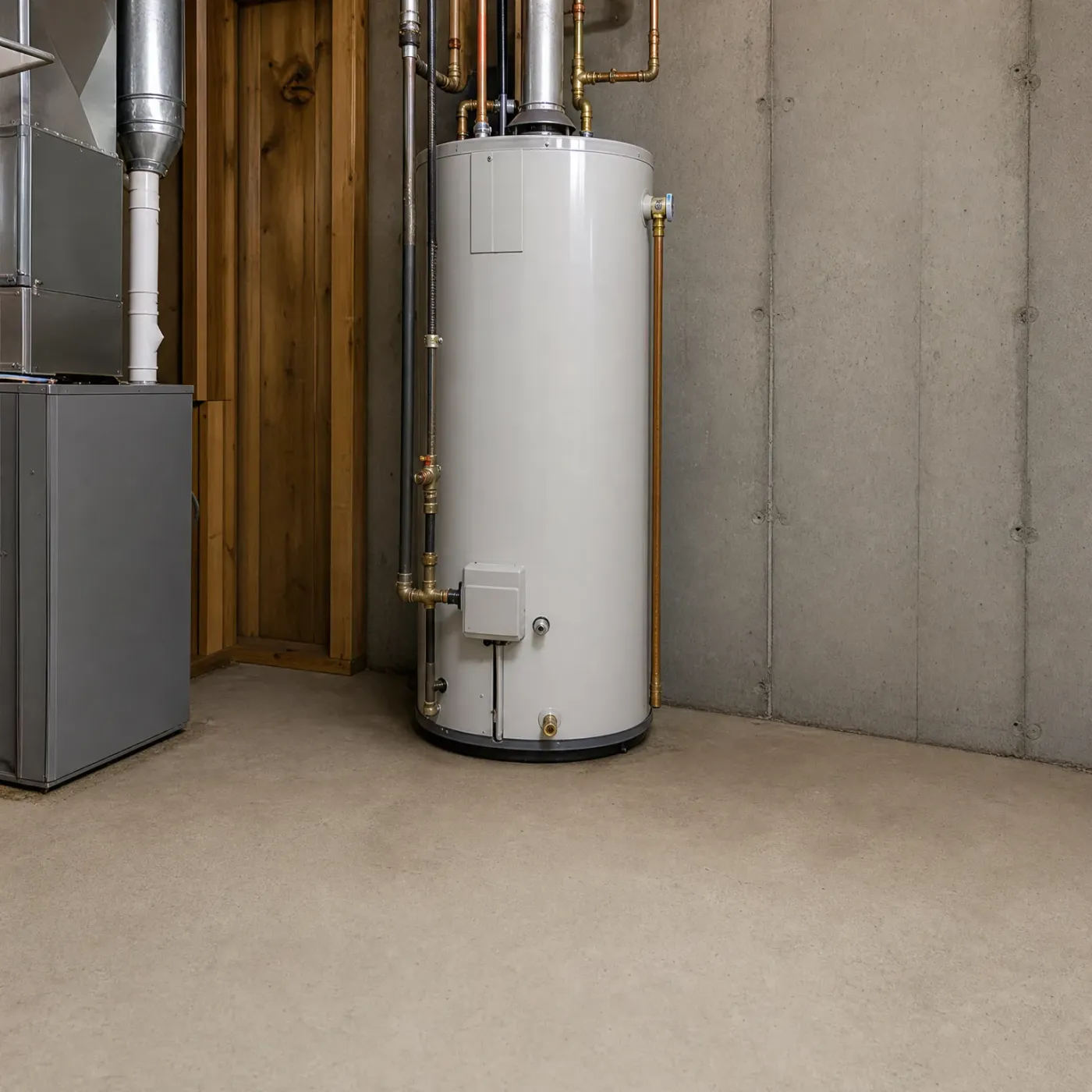
A white cylindrical gas water heater with copper and steel pipes stands against a concrete basement wall beside a gray furnace and wood-paneled wall.

Working as it should

A water heater that's quiet most of the time and warms up without much fuss is doing its job. The tank holds heat well, the element cycles on and off without drama, and your family gets hot water on demand without you thinking about the unit in the corner.
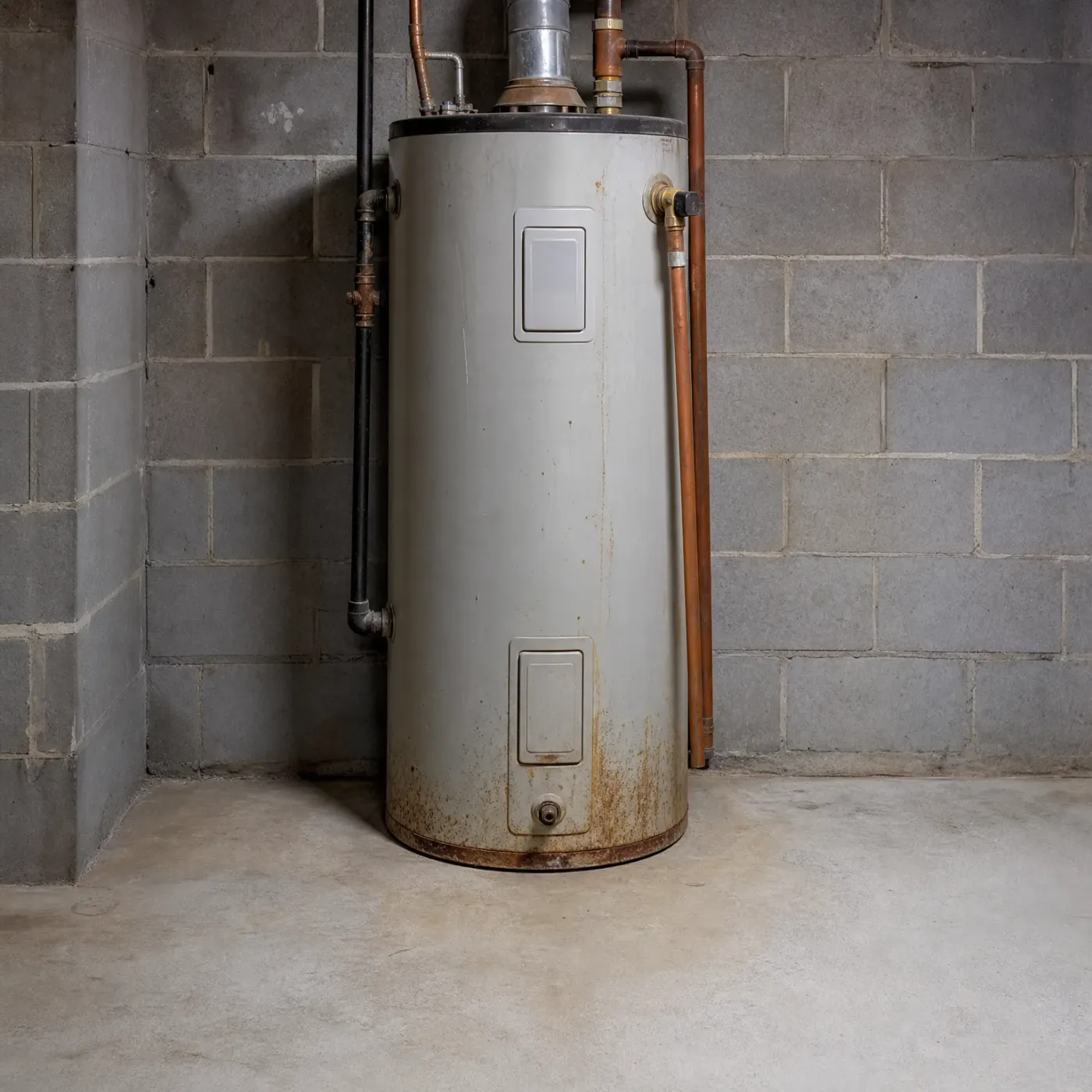

A rust-streaked cylindrical water heater with copper and black metal pipes stands in a concrete-block basement corner on a bare concrete floor.

Sediment taking over

Rust creeping along the base and seams usually means sediment has been sitting on the bottom of the tank a long time. That same buildup is what's popping under the element, and a tank in this shape is closer to a leak than a quick fix.

A woman with long light-brown hair in a gray knit sweater sits in a living room looking off to the side, with a sectional sofa, houseplant, lamp, wooden table and large windows behind her.
A woman in a chunky gray turtleneck sweater sits indoors looking off to the side, with a blurred dining table, chairs, pendant lamp and window behind her.
A woman in a cream knit sweater with her hair in a bun stands near a window, looking off to the side, with a gray sofa, houseplant and open kitchen with pendant lights blurred behind her.
A woman with long brown hair in a cream knit sweater stands near a window, looking to the side, with a white sofa, shelving, and a hallway visible behind her.

Done looking for a water heater pro

That popping usually means sediment has been building in the tank for a while, and in a lot of Louisiana homes the water coming in is hard enough to speed that up. Electric elements sit down in the tank surrounded by that sediment, so they're working through a layer of buildup to heat the water around them. Left alone, that element works harder than it should and wears out sooner than it would in a clean tank. You could drain the tank yourself and see if the noise backs off, but if it's been going on for weeks or it's getting louder, that's sediment packed in deep enough that a flush alone may not clear it, and the element underneath may already be stressed. A licensed local plumber who works on electric water heaters all over this area knows what a tank at this stage usually needs, flush, element, or both, and can tell you which one yours is dealing with. Sending the request means one contractor looks at your water heater, not a string of callbacks while you wait and the noise keeps going.

What it does to your bill

Sediment sitting under the element acts like a lid between the element and the water it is supposed to heat. The element has to run longer to get the same tank of water hot, and that shows up on your electric bill. Since power here is cheap, you might not notice it right away, but the strain on the element doesn't go away just because the cost is small. Over time that element is working harder every single cycle, every day, to push heat through a layer it wasn't built to work against. That's wear that adds up long before anyone in the house complains about the water temperature.

What happens if it keeps going

Left alone, the popping doesn't stay the same. The sediment layer thickens, the element works harder, and eventually it can burn out from the strain of heating through that buildup. A cracked tank from heat stress isn't common, but it happens when sediment has been sitting for a long time. If the element fails, you lose hot water at the worst moment, usually when someone's mid-shower. A contractor who services tanks around Louisiana regularly has seen what a few more months of that sediment does, and knows whether yours still has life in it or needs the element replaced before it quits on its own.

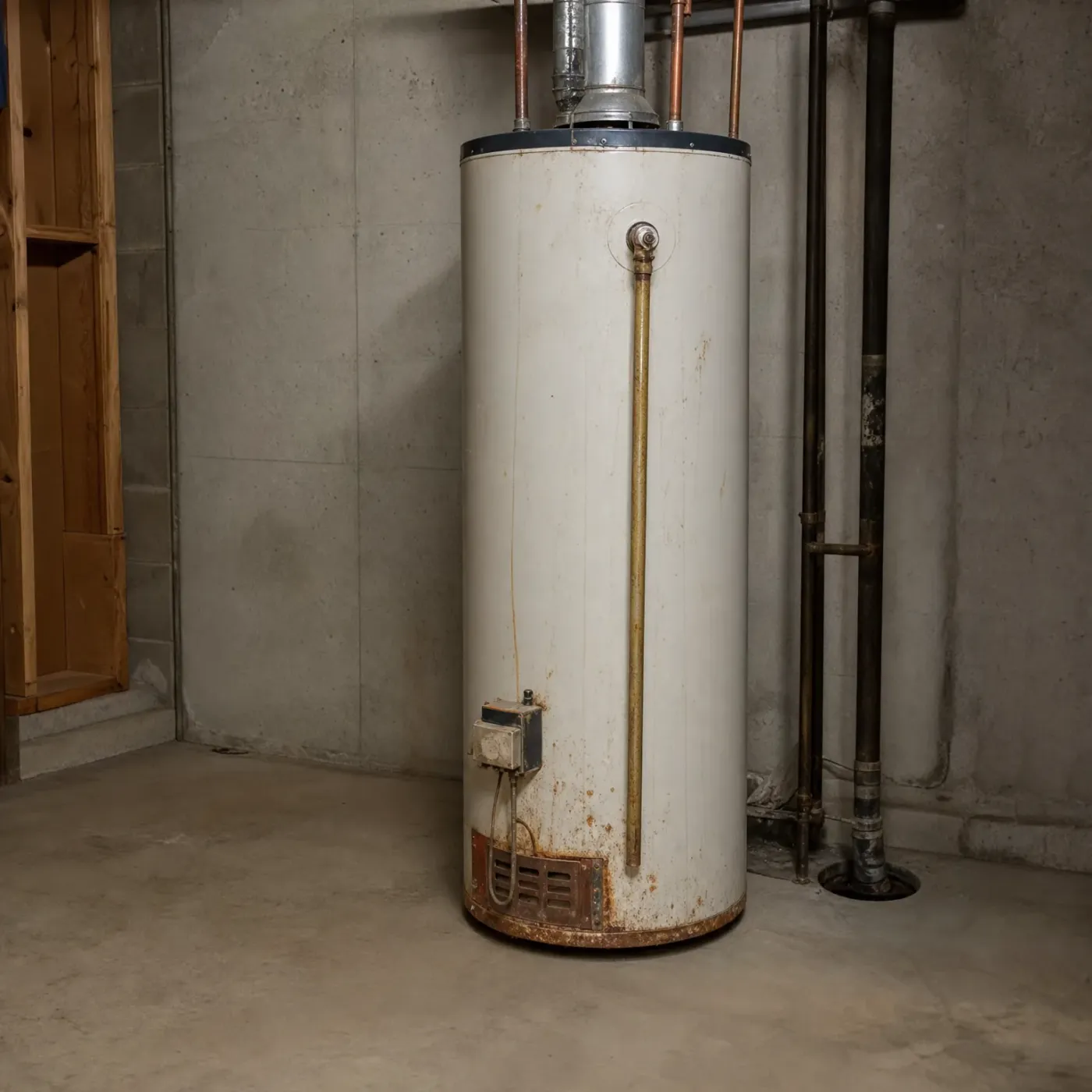
An older white gas water heater with rust staining and an exposed vertical pipe stands against a concrete block basement wall, with a metal flue above and black vertical pipes to the right.
Before you get your water heater repair
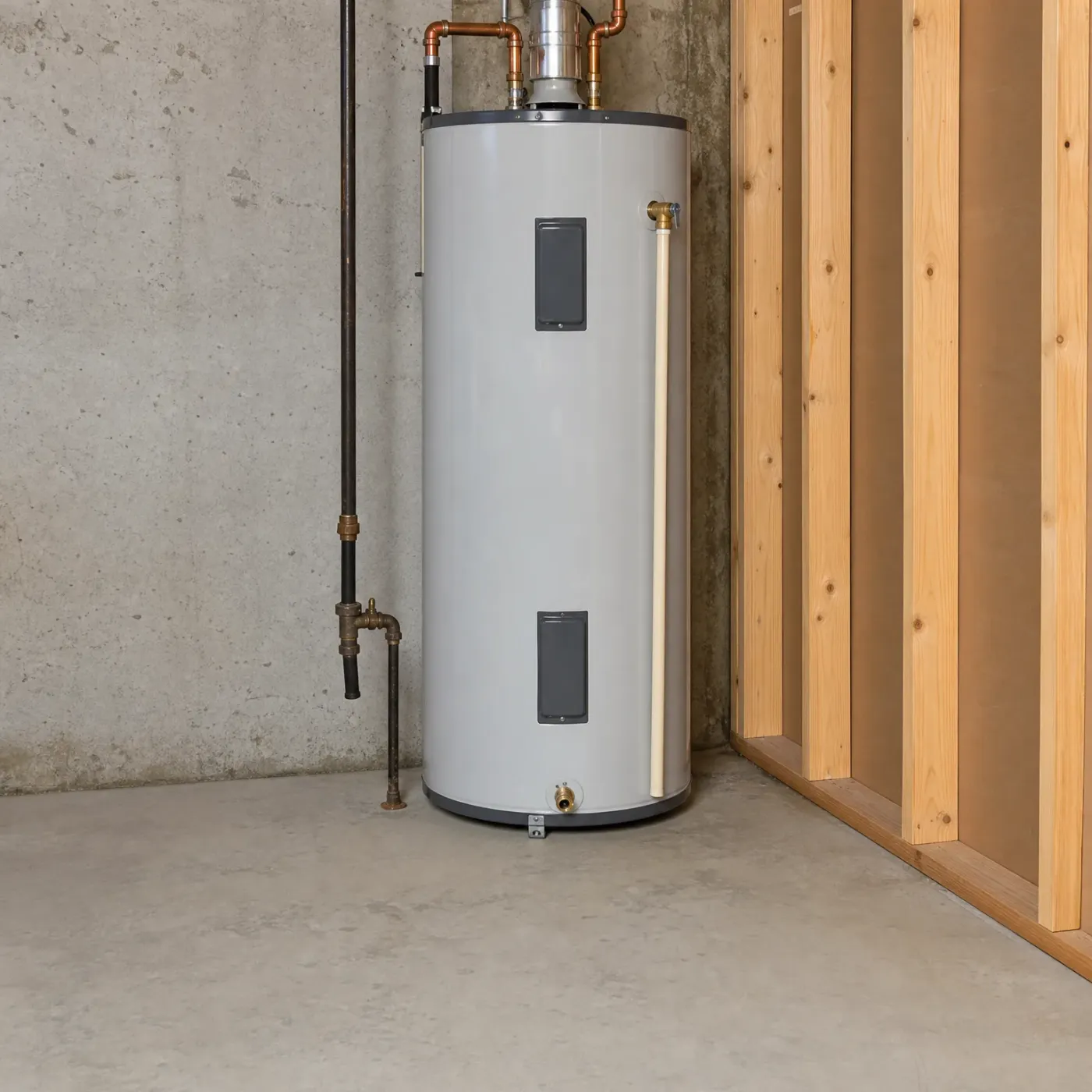
A light gray cylindrical water heater with two access panels stands on a concrete floor against a concrete wall, with copper and black pipes beside it and an unfinished wood stud wall to the right.
After you get your water heater repair
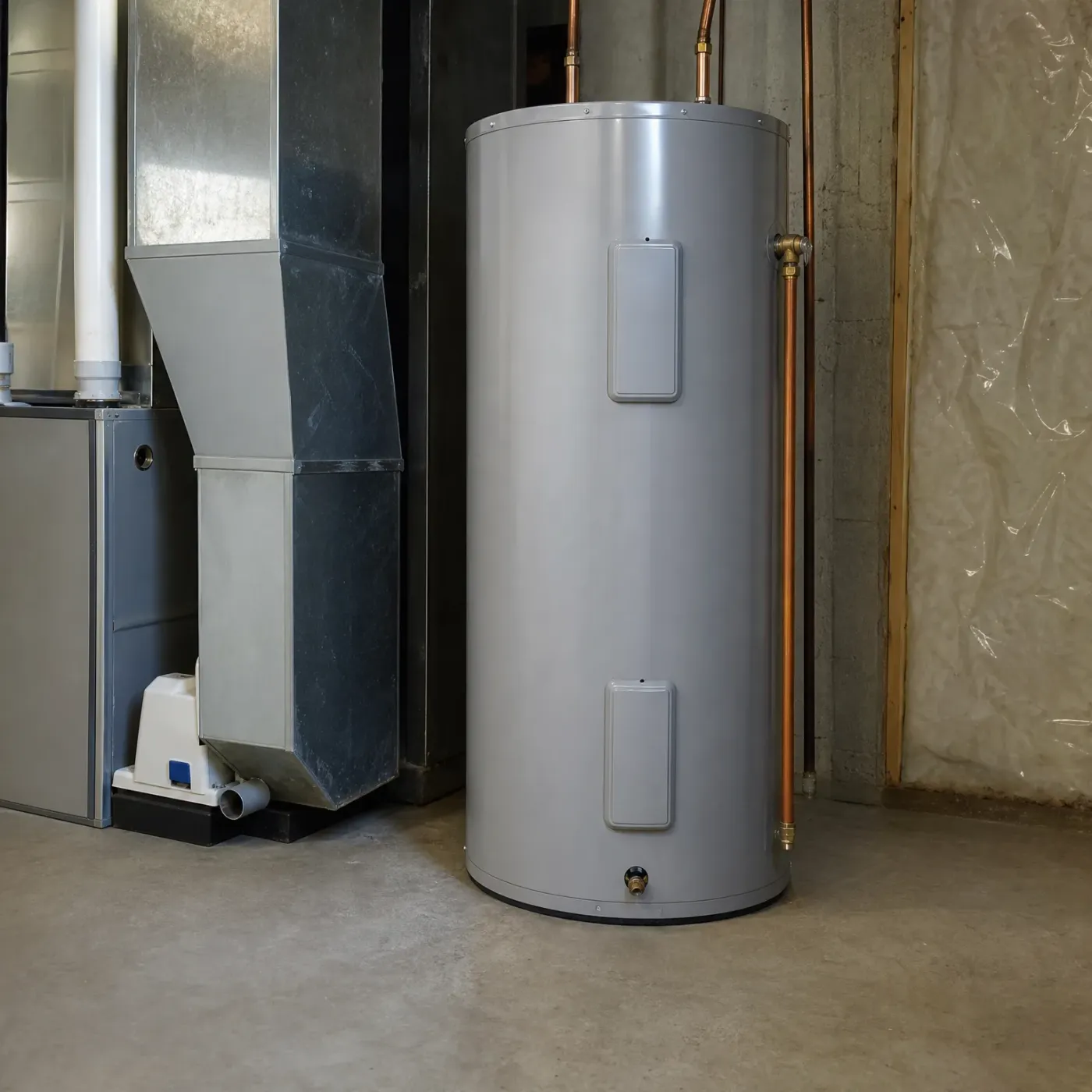
A gray cylindrical electric water heater with two access panels stands on a concrete floor in a basement, with copper pipes above and behind it, sheet-metal ductwork and a furnace to the left, and a plastic-covered insulated wall to the right.

Running clean

Copper lines and brass fittings stay tight, and the tank sits level on the floor without a mark of rust at the base. A water heater like this cycles the element on and off without anyone upstairs hearing a thing.

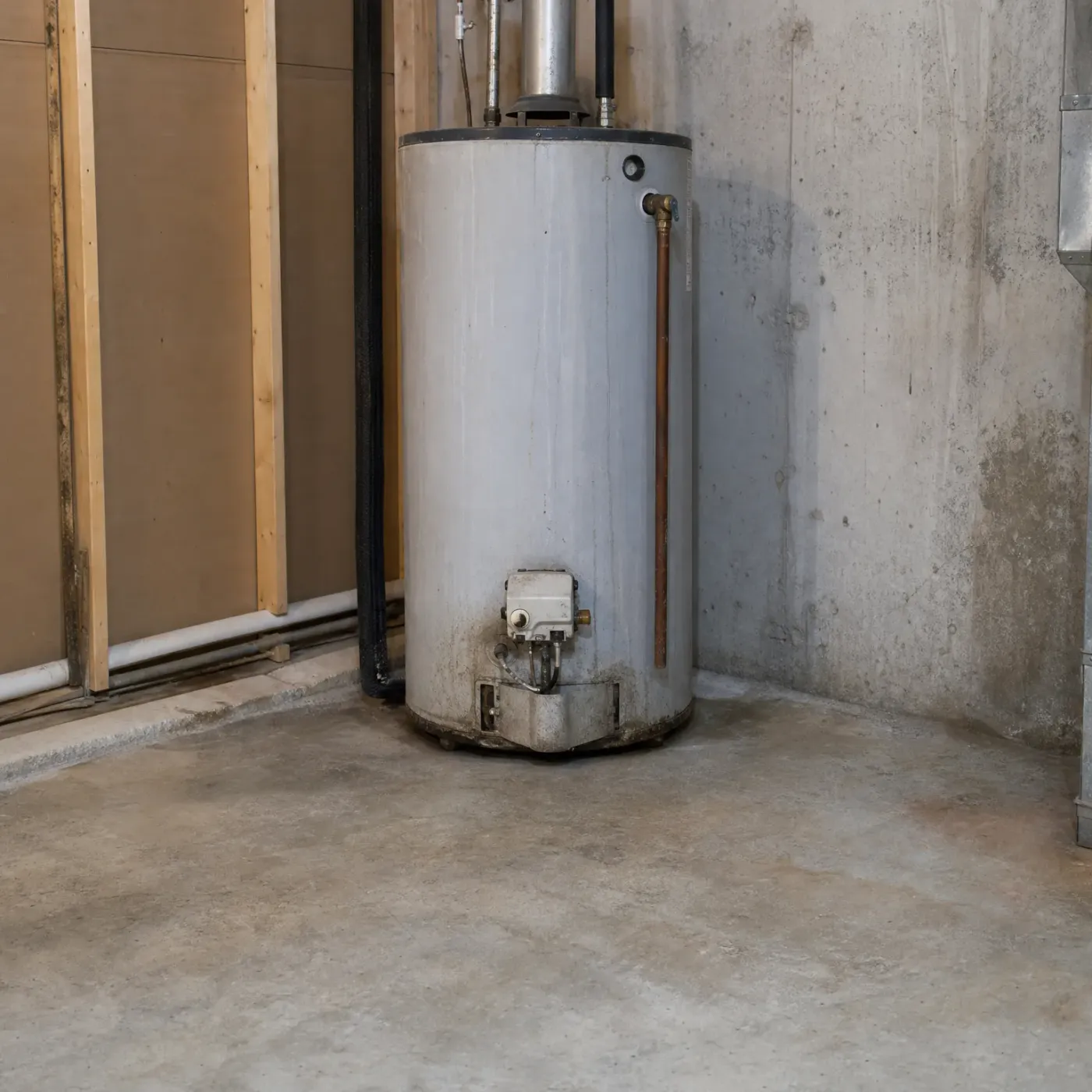
An older gas water heater with a copper pipe and flue stands on a concrete floor in a basement corner between a bare concrete wall and an unfinished wood-framed wall.

Sediment taking over

Rust and grime have built up around the base and the burner assembly, and the flue pipe shows the years on this unit. When a tank gets to this state, the popping gets louder and more frequent before anything else goes wrong.

64.7% of homes statewide heat with electricity

Almost two out of three homes in Louisiana heat with electricity, and that includes the water heater. Electric elements sit down inside the tank where sediment settles, so when that layer builds up, the popping you hear is coming from right where the element has to push through it.

ACS 2020-2024 5-year B25040

  1. Sediment settles at the bottom of the tank first

  2. The electric element heats water through that layer

  3. Water trapped under the sediment turns to steam

  4. Steam bubbles force their way up through the sediment

The popping comes down to sediment sitting between the element and the water it has to heat, and that layer only gets thicker with time. A little ticking now and then is nothing to chase. Popping that keeps getting louder, or shows up alongside rust at the base or lukewarm water, means the tank is working harder than it should and your electric bill is already showing it. A licensed, local contractor can flush that sediment out or tell you if the tank has worn past the point where flushing helps. You don't have to figure out which one it is on your own. Once you send the request, that part isn't on you anymore, someone who works on these tanks all over Louisiana takes it from here.

A woman with her hair in a bun holds a sleeping young child against her chest, both wrapped in a textured beige knit blanket on a sofa in a dimly lit room with a lamp, framed picture, and bookshelf behind them.
An older woman with gray hair in a bun and glasses, wearing a beige knit sweater, smiles while looking to the side in a warmly lit kitchen, with a loaf of bread on the counter in the foreground and a snowy scene outside the window.

Water Heater Repair

It's off your list after this

The pro who reaches out is licensed in Louisiana.

A black-framed smartphone standing upright against a plain white background, its screen filled with solid green.
Step 1 of 3: Equipment